Ask the trainer
“Jibber Jabber”
We have all done it… chit chatting with our dogs.
“Can you sit?” “Sit your bum down.”
“No, not that way. This way. Come on now, you heard me.”
“Stay… stay… stay… stay.”
“Go get on your bed. Go on. Do it, I asked you already.”
“Come… come… come. Come here, come on, get over here!”
Does this sound familiar? Having conversations with your dog? Repeating yourself? Do you even notice you’re doing it? Or how often?
For many of us, it’s automatic. We don’t think about it — we just speak. Words fill the space, especially when things aren’t going the way we expect. If we’re in public, we can get nervous, maybe in a group training class, not wanting to be embarrassed by our dog’s lack of attention. Having unrealistic expectations can often lead to our stress levels rising and then the words flow out of us.
But here’s the real question: is your dog actually responding or tuning you out? And more importantly, does it matter when it comes to training?
This is something I see quite often when working with clients. When dogs don’t perform as expected, people naturally become flustered or stressed. That’s usually when the extra chatter begins.
Instead of pausing, assessing and adjusting, we try to talk our way through it. We repeat cues, we add words, we raise our tone, we push forward.
And before we know it, we’re no longer training. We’re jibber jabbering.

When Words Lose Meaning
This shows up a lot during recall and stay exercises.
A dog doesn’t respond immediately, so the Cue is repeated:
“Come.”
“Come!”
“Come on, come here!”
“Why aren’t you coming? Come here right now!”
What started as a clear Cue turns into a full sentence. Then multiple sentences. At that point, the Cue itself has lost all clarity. The dog isn’t being stubborn. They’re confused. Or worse. They’ve learned that the first cue doesn’t matter.
Attention Before Action
One of the biggest missing pieces in these moments is attention.
Before asking a dog to perform a skill, we need to ensure they’re actually tuned in. If their focus is elsewhere — on smells, movement, sounds or other dogs — our words are just background noise.
Training gets rushed. The environment gets ignored. The dog doesn’t get the time they need to process. And then we blame the dog for not responding.
Processing Time Matters
There is a window — often around 6–7 seconds — between when you give your dog a Cue and when a dog processes and executes it.
That pause? That’s not disobedience. That’s thinking.
My clients often hear me say the same thing: if your dog’s head were transparent, you’d actually see the wheels turning. You’d watch the moment the Cue lands. You’d see the pause. And then you’d see the decision-making process begin.
They’re not ignoring you. They’re not being stubborn. They are processing. They’re taking in the environment, filtering through distractions, recalling what they’ve learned and figuring out how to respond. That takes time.
When we jump in too quickly — repeating cues, adding extra words or increasing pressure — we interrupt that process. It’s like asking someone a question and then repeating it over and over before they’ve had a chance to answer. Eventually, they stop trying.
Dogs often do the same. But when we allow that moment — when we give them the space to think and follow through and perhaps giving them a simpler task to keep them in the ‘training game’ — we start to see something different.
Clarity. Confidence. Understanding.
The behaviour becomes more intentional, not rushed.
And over time, as the dog gains experience and reinforcement and rewards for getting it right, those “wheels turning” moments become faster and smoother… until the response feels almost automatic.
That’s where true learning lives — not in the rush, but in the process.
If we interrupt that process by repeating the cue, adding more words or escalating our tone, we’re not helping — we’re resetting the dog’s processing every time. We leave them in limbo. And then we wonder why the behaviour never becomes smooth or reliable.
Slow is Smooth and Smooth is Fast
If we want speed, fluidity and precision, we have to train for it. That means being clear, consistent and patient.
Because: Slow is smooth. Smooth becomes fast.
Cues versus Commands
This distinction matters more than most people realize.
A Cue is a recall of a learned skill. It asks the dog to perform a known behaviour, with the expectation of reinforcement. There is clarity, consistency and trust behind it.
A command, in many cases, carries pressure. It often comes after repeated cues, rising frustration or urgency.
When Cues are repeated over and over — or buried in extra language — they lose their meaning. They become noise. And sometimes, that noise becomes unintentionally reinforcing.

Photo credit Gundula Vogel.
The Trap of Jibber Jabber
Dogs don’t understand our sentences the way we think they do. But they do understand attention. They understand expression. They understand engagement and learn from Positive Reinforcement.
So when a dog is doing something we don’t like — jumping up, pulling on leash, ignoring recall — and we start talking…
“Stop that.”
“Get down.”
“Don’t do that.”
What the dog experiences is: “You’re engaging with me. This is rewarding.” Even if the words themselves mean nothing.
Inadvertently Reinforcing
This is one of the hardest habits to recognize and change. We often reinforce the very behaviours we want to eliminate — simply by giving them attention.
Take jumping, for example:
The dog jumps → we talk → the dog gets engagement → the behaviour is reinforced and rewarded by talking to them or touching them.
Instead, try this sequence:
- Remove attention (turn away, disengage).
- Ask for a known behaviour (sit, down, etc.), a skill that is incompatible with jumping.
- Keep feet on the ground.
- Mark with a click or a yes and reward.
Now the dog learns: calm behaviour gets attention. Not chaos.
Take It Beyond the Training Session
This doesn’t just happen in structured training — it shows up everywhere:
- On walks (“heel, no pulling, come on, let’s go!”).
- Greeting people (“don’t jump, stop it, get down!”).
- Daily routines at home.
Training isn’t a separate event; it’s happening all the time.
Saying Less has More Meaning
If there’s one takeaway from all of this, it’s simple: eliminate the extra words.
- Use clear, consistent cues that your dog understands.
- Give your dog time to respond.
- Set them up for success.
Because the more we talk, the less our dogs listen. And the more intentional we become with our words, the more powerful they are.
Train Everywhere
Every walk. Every interaction. Every moment. Train everywhere, for anything and everything.
And maybe — just maybe — leave a little less room for the jibber jabber. Happy training!

Dogs looking for homes
Without a doubt, a dog is a real friend. Our dogs come in all shapes and sizes and they all have one thing in common — they all need loving forever homes.
Open your heart and home to a rescue dog. You’ll be glad you did.
Meet May’s featured dog – Charlie
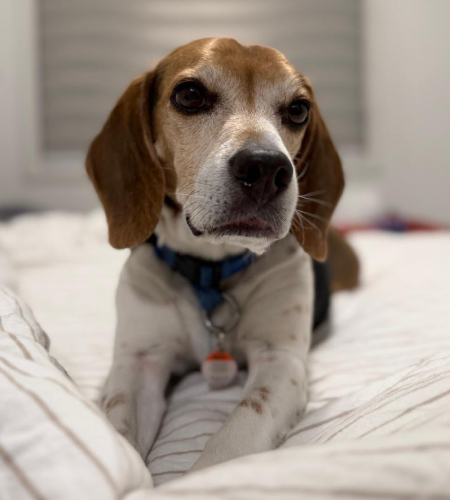 Charlie is a 35-pound, 9-year-old neutered beagle who was surrendered to the rescue when his family was moving out of the country. Cuddly and affectionate, he enjoys the company of his people and the other beagle in his foster home. He seems more comfortable with dogs of a similar size or smaller.
True to his beagle nature, Charlie is a foodie and will steal food if given the opportunity. His previous family reported he knew how to move chairs to get food off the table! Also, in typical beagle fashion, he can be vocal and may howl or whine when anxious. He may also bark when he sees other dogs and be eager to interact with them.
Despite being a senior, Charlie is an active, energetic boy. He is not crate trained and likes to sleep in his little bed or on the furniture. He can be uncomfortable being handled by people he doesn’t know and by the veterinarian. Anti-anxiety medication before a vet visit usually helps put him at ease.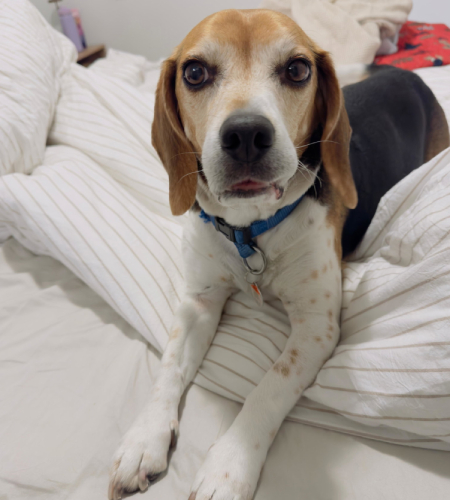
Charlie’s ideal home has a fenced yard or folks who are willing to take him out multiple times a day on leash walks to sniff, explore and do his business. He will follow his nose and therefore needs to be in a fenced area when off leash. A home without children is recommended, or a home with older children who are respectful of his boundaries. Charlie would do best in a home where someone is home more often than not. His prior family left him alone and indicated he would bark initially when left alone. Charlie would also benefit from a home that is able to read his body language and instruct new people to go slow when he is uncomfortable with handling.
If you’re looking for an energetic and affectionate dog, Charlie might just be your perfect match.
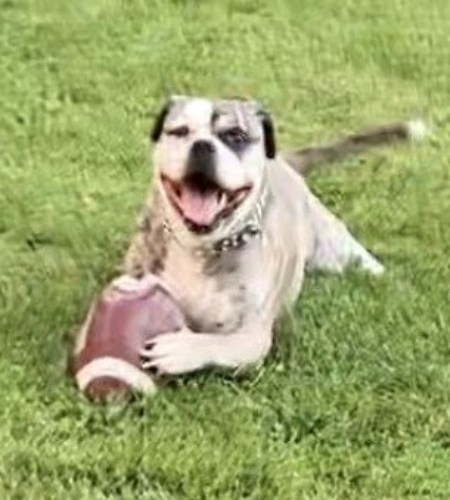
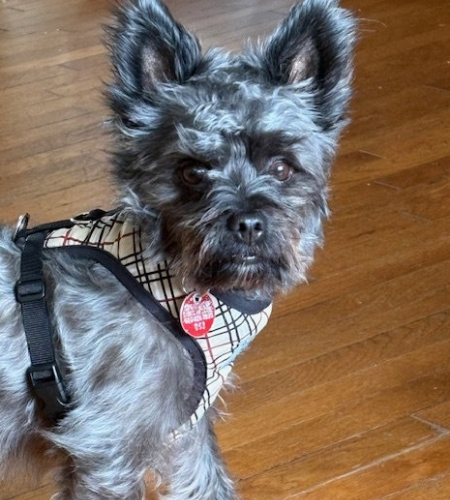
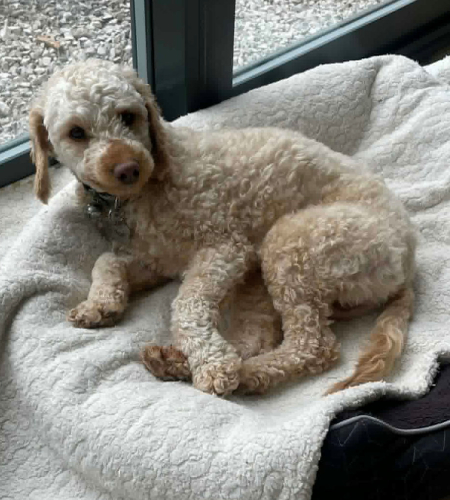
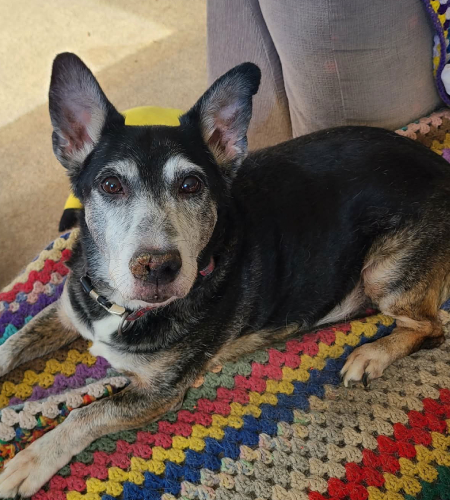
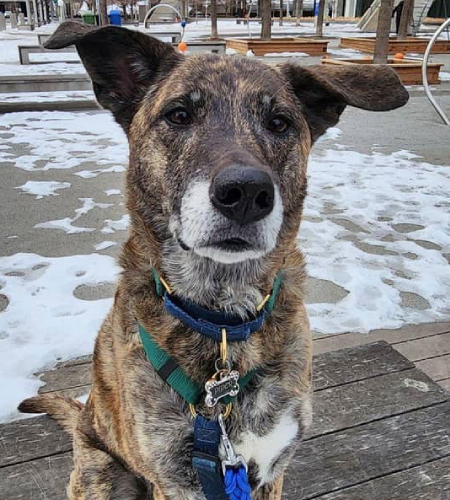
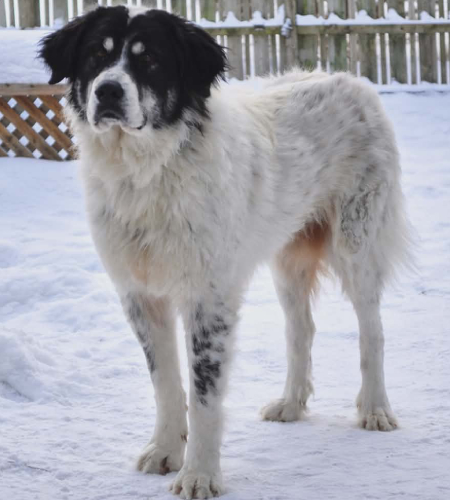
Mother’s Day
 To Our Foster Moms
You opened your door without knowing their name,
Only a story, a past and a spark to reclaim.
With gentle hands and a heart open wide,
You gave them a place where love could reside.
You saw not the fear, but the hope tucked inside,
A tail that might wag, a spirit that tried.
Through patience and kindness, day after day,
You showed them the world could be safe in that way.
You celebrated the first steps, so quiet, so small —
A glance, a soft nudge, the trust after all.
And though every goodbye can tug at your heart,
You know it’s a gift… even the hardest part.
Because love isn’t measured by how long they stay,
But by how you changed them along the way.
You mend what was broken, you help them believe,
Then teach them the courage to one day leave.
So here’s to your strength, your compassion so true,
To the countless new beginnings that started with you.
For every rescued soul that found their way home,
A piece of your love will forever roam.
Step Up for the Pups — Sunday, May 24
Will you step up for us?
All funds raised go towards vetting of our foster dogs.
We receive calls and emails daily asking for help with dogs in need. Please help us give them a second chance and love and life.
Your support directly translates to lives saved.
Happy tails (recent adoptions)
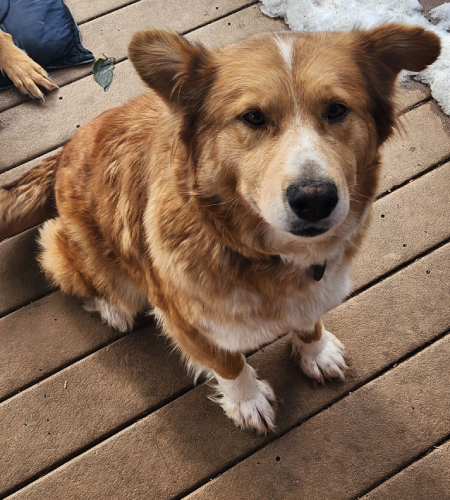
Allie
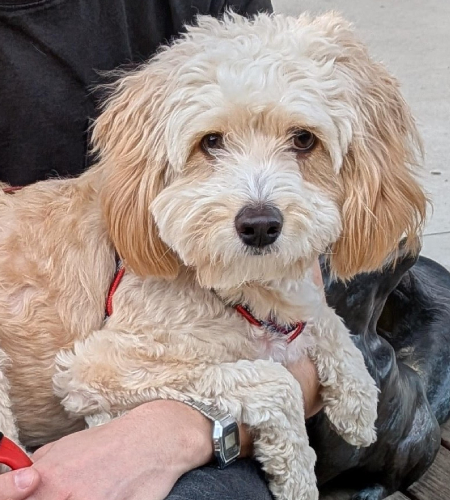
Charlie Chan
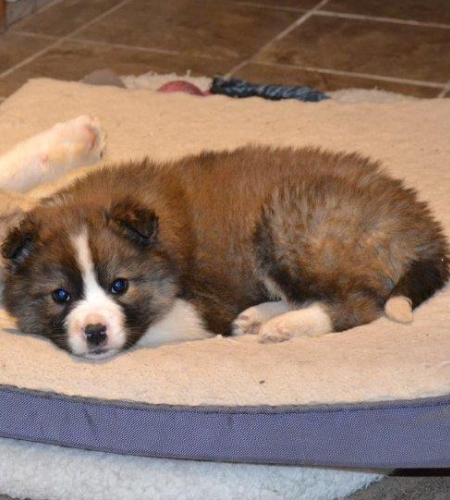
Duffy
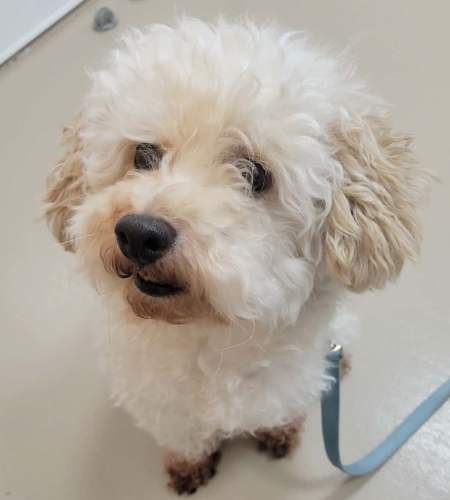
Filou
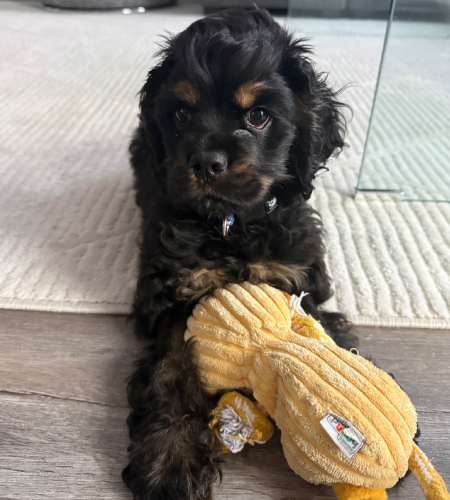
Louie
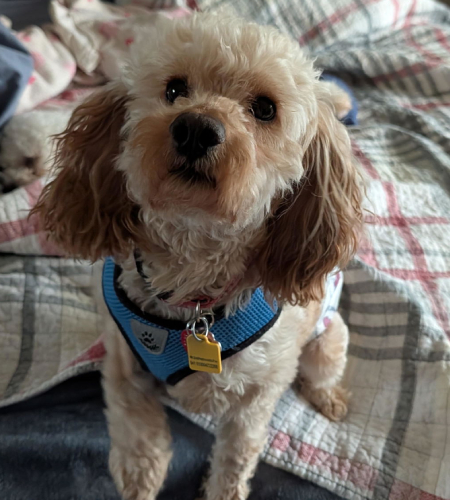
Matty
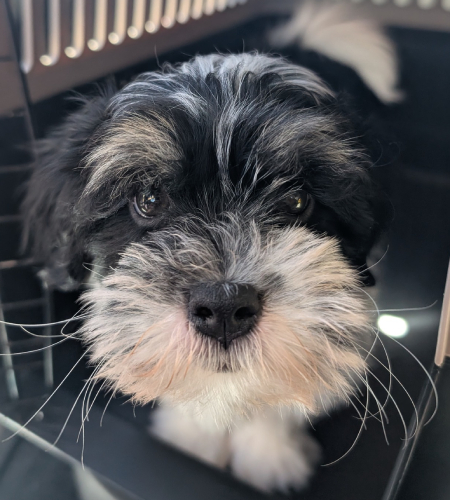
Oreo
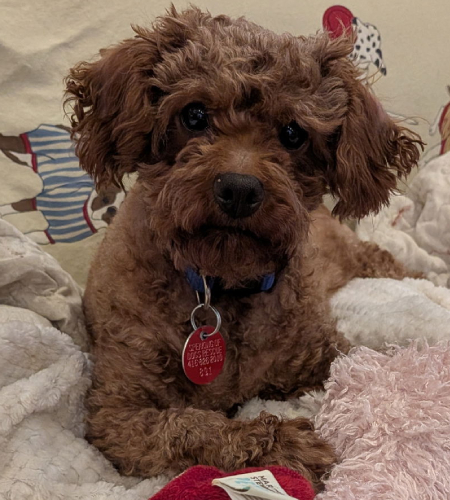
Ruby
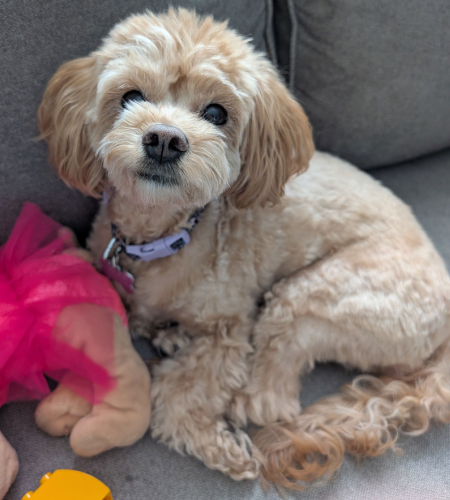
Sugar

Tala
Adoption update
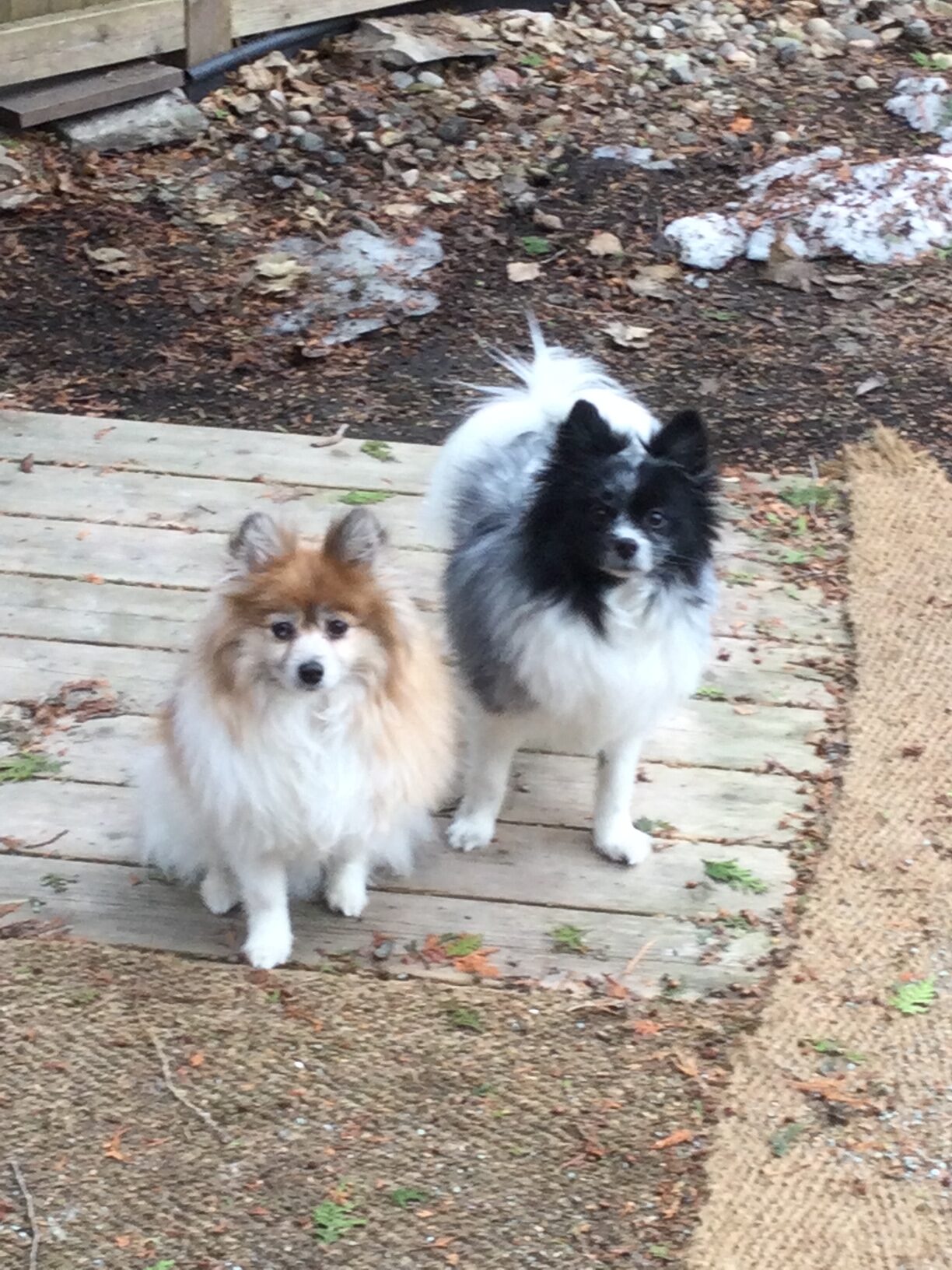 Dear Speaking of Dogs Rescue,
The tale of 2 tiny treasures abandoned at a big city shelter
Jessie and Derry (formerly Junie) have come a long way. Twenty months ago, they would recoil from contact, plastering themselves against the wall and avoiding eye contact. They wouldn’t go outside for six months. And they weren’t housetrained.
Now, they are happy, playful dogs who love the yard, run to greet visitors at the door and enjoy attention and petting. They wrestle enthusiastically, chase each other around the house and recently played with a toy for the first time. They are also now housetrained (Jessie 100%, Derry 98%), which should give hope to all fosters and adopters who despair, as I once did.
Jessie and Derry have become loving pets and valued family members. Derry, who was very skittish and flighty for a long time, now jumps up on my chair to get petted. They are now enjoying their lives so much. It has been exhilarating to watch them come alive.
Sincerely,
Jill St. Germain

Want to help our dogs?
Consider making a donation from our Amazon wish list of priority dog supplies.

In memoriam
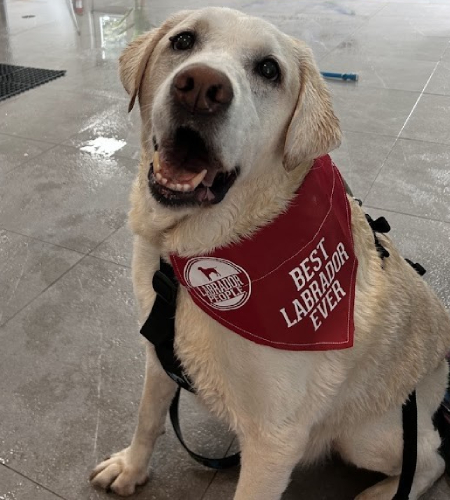
Bailie
Adopted October 2023
Loved by Nicky and Trevor Nieke
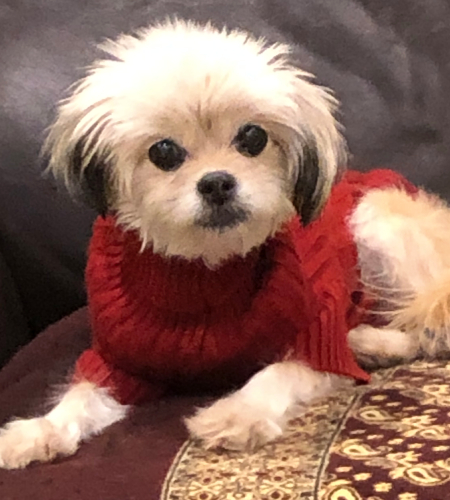
Coco
Forever in Foster
Loved by Speaking of Dogs Rescue
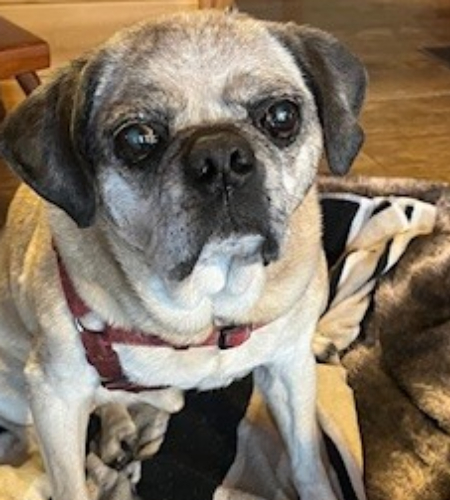
Dude
Adopted June 2022
Loved by Louise and Robyn Coutu

Flower
Adopted May 2022
Loved by Tanya and Justin Korolow
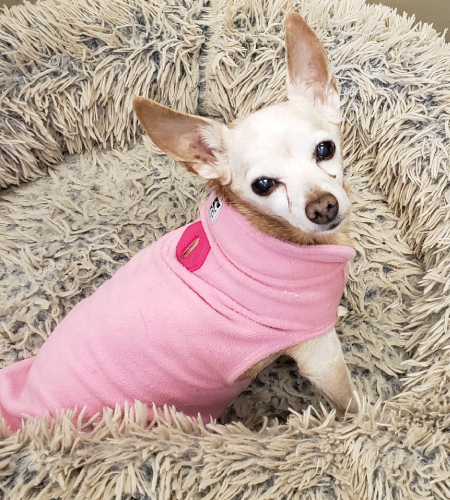
Mimi
Adopted June 2024
Loved by Laura and Mark Andrews
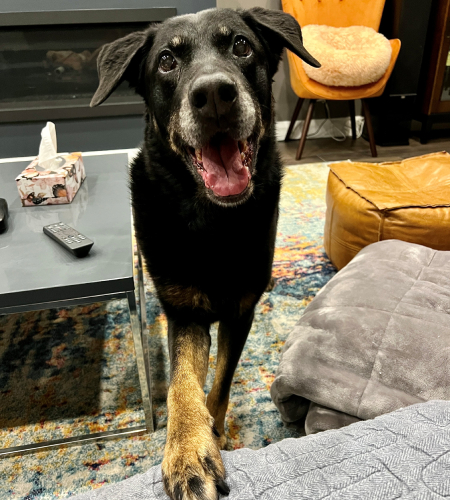
Nelly
Adopted November 2011
Loved by Collette and Evan Di Bella
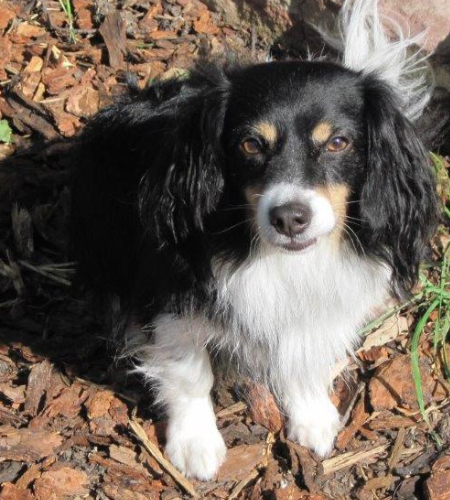
Peanut
Adopted March 2013
Loved by Carl and Mari-Anne McCleary
About Speaking of Dogs
Speaking of Dogs Rescue Program is a Canadian registered charity established in the Greater Toronto area with foster homes across Ontario. Launched in 2001, we are a foster-based, all breed rescue with a focus on senior dogs. We are run solely by volunteers with a mission to help homeless dogs in need by providing shelter or sanctuary, necessary medical care, adoption and education.
Newsletter team
Contributors: Lorraine Houston, Kim Gladding and Allison Groff
Editor and Design: Michelle Colasuonno
Contact
P.O. Box 8058
RPO Hurontario
Collingwood, ON L9Y 0H1
705-444-SODR (7637)
speakingofdogs@gmail.com
speakingofdogs.com
Newsletters
If you no longer want to receive our newsletter, email news@speakingofdogs.com with “unsubscribe” written in the subject line.