

Ask the trainer
It’s all in the mechanics: how professional dog trainers make training look easy
You planned on using positive reinforcement to train your dog, then you heard someone say positive reinforcement and treat training don’t work.
When watching a professional trainer work with a dog, you found yourself thinking, “Wow, they make it look so easy!”
What do these two scenarios have in common? The answer is mechanics. In dog training, the term mechanics refers to the handler’s physical motor skills — such as observation, timing, treat delivery, body language and even how to effectively incorporate a leash into training sessions.
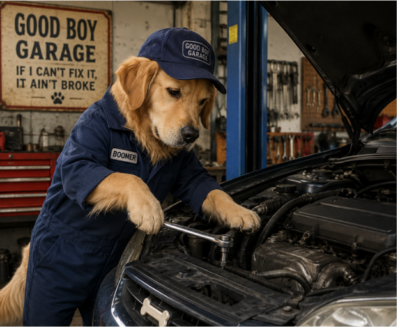
Poor mechanics is why positive reinforcement “doesn’t work.” It’s not the method itself; it’s how it’s implemented. Good mechanics is why professional or experienced handlers can make training look easy and get results.
Clean mechanics ensure clear communication, whereas sloppy mechanics can frustrate your dog (and you) and slow the learning process. An important and sometimes challenging skill involves using a marker (a clicker or verbal marker) and rewarding the dog without overlapping (marking and rewarding at the same time).
Once conditioned, a marker informs the dog it has done the correct/desired behaviour and that a reward will follow. It’s easy to fall into the trap of marking and rewarding simultaneously. When that happens, the food takes priority and the marker holds little to no meaning, slowing the dog’s learning.
The core mechanical sequence
The foundation of good mechanics is keeping your actions separate and linear rather than doing everything at once.
- Behaviour: The dog performs the requested action. Let’s use “sit” as the example.
- Marker: You mark with a click or a specific verbal marker word (e.g., “Yes!” or “Nice”) when your dog’s bottom touches the ground. This requires good observation and timing. At this point, it’s the timing of your marker that’s important.
- Reach: Your treat hand must remain still until after the marker. Reaching for a treat pouch or pocket before marking distracts the dog and degrades your marker’s value.

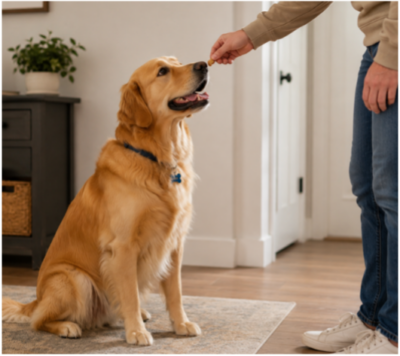
- Treat delivery: Deliver the reward smoothly. Where and how you deliver the treat (e.g., placing it on the floor between the dog’s front legs for a “down”) affects your dog’s next movement. Always reward in position. For example: when teaching sit, be sure the dog is still sitting when receiving the reward. Do this by quickly moving the treat toward your dog, without startling them. A slow treat delivery typically encourages the dog to stretch for the food and get up. Rewarding after your dog gets up, teaches the behaviour chain “sit then stand.”
Key mechanical skills to master
- Clear treat management: Keep your hands in a designated neutral position (like relaxed at your sides) when not rewarding. Don’t train with your hand in a pocket or treat pouch. Don’t hold treats in your hand while waiting for a behaviour, as dogs focus on the food instead of thinking about the cue. There are some exceptions to this guideline. For instance, in one of our training games, we want the dog smoothly running back and forth in front of the handler. Holding a handful of treats during this game allows the handler to be more efficient — marking and then quickly tossing the next treat.
- No simultaneous cues: Avoid giving a physical hand signal and a verbal cue at the same time. Most dogs will primarily rely on the physical signal and ignore the spoken word. You also won’t know if your dog is responding to the verbal cue or physical cue. If you have used simultaneous cues, try separating the cues to determine which cue your dog understands.
- The aim game: Practice your mechanical loops without your dog. Mark and swiftly deliver a treat to a plastic cup or a designated spot on a table to build muscle memory before training your dog. That rehearsal will build your confidence and improve your mechanical skills, helping your dog better understand what you’re teaching.
Leash handling skills
Let’s not forget the leash. Train with your dog both on and off leash (when safe and appropriate to do so). Handling the leash adds another level of challenge. Holding the leash in one hand, while rewarding with the other typically works well. Don’t be afraid to experiment and find what works best for you and your dog.
Why mechanics matter
Good handler mechanics accelerate learning, prevent the dog from being confused by mixed signals and foster focus. Now that you have a better understanding of the importance of mechanics, you can master your handling skills by recording your training sessions. While watching the recording, focus on your mechanics. Are you following the core mechanical skills? How are your leash handling skills? By watching the video, you can pinpoint areas where your mechanics follow these basic guidelines and where your handling skills could use a little tweaking.
The role of rehearsal
Remember, rehearsal strengthens behaviour. That applies to our canine friends and us. The more you rehearse your handling skills, the better your handling skills will become. That’s partly why professional trainers make training look easy. They’ve rehearsed the same motor skills hundreds of times. By rehearsing your handling skills, before you know it, people will watch you and your dog and wonder how you make training look so easy!
Happy training!
Written by
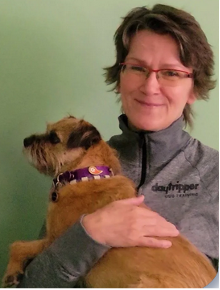
Teddy Green
Teddy and her husband Lane own and operate Daytripper Dog Training which is located at the south end of the Kawartha Lakes, between Port Perry and Lindsay. Daytripper offers games-based family dog training, agility lessons, private lessons and behavioural consultations. Teddy is a certified dog trainer who has been actively training dogs for thirty years and has a passion for continued professional development.

Dogs looking for homes
Without a doubt, a dog is a real friend. Our dogs come in all shapes and sizes and they all have one thing in common — they all need loving forever homes.
Open your heart and home to a rescue dog. You’ll be glad you did.
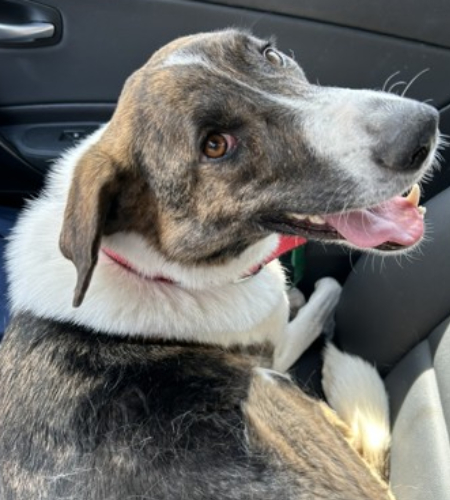
Meet September’s featured dog – Ricky
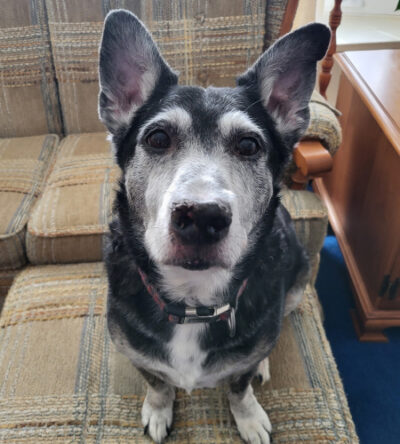
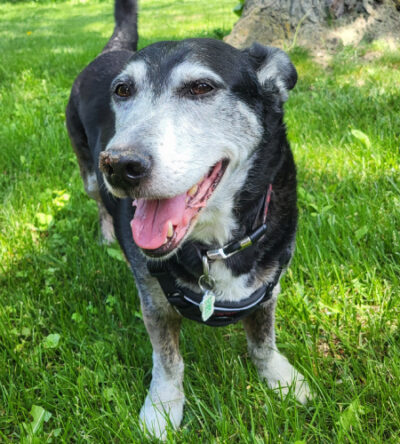
Ricky is a loving and loyal dog who came into rescue when his owner was no longer able to care for him. We were told he’s 14 years old, however we believe he’s probably closer to 10 since he’s quite active and has great vision and hearing.
Upon intake, this sweet Corgi mix had bladder stones, which have now been successfully removed. He’s currently on potassium citrate and a special veterinary food to help prevent bladder crystals. Ricky is very proud of his speedy recovery and 10-pound weight loss.
At 40 pounds, Ricky believes he’s the perfect size to sit in your lap. He adores putting his head on your lap and getting his ears rubbed. And if you stop petting him before he’s had enough, he’ll let you know by leaning into your legs and pawing at you.
Ricky enjoys being active outside in all seasons. He’s used to two or three 30-minute walks daily plus play, tug and zoomies in the fully fenced backyard. He’s also fully housetrained and sleeps through the night. He can be left alone in the house for 4-5 hours without incident and will let you know when he needs to go out. He loves riding in the car and visiting his foster grandma for belly rubs every chance he gets.
Ricky is currently the only pet in the house and prefers to be the centre of attention. He loves to watch TV with his people and happily waits to be told he can get up on the couch. Best of all, Ricky knows not to be underfoot in the kitchen and happily waits for his breakfast and dinner. He’s a clever dog who learns quickly with positive reinforcement training.
Ricky can be vocal and will alert his foster family to anything he perceives to be unusual in his surroundings. This includes people and other dogs. He’s working on his impulse to bark when people come to the door or pass him on the street. If you redirect him with a treat, he’ll happily offer tail wags. Because of his reactivity and alert barking, apartment living is not for him.
To help Ricky on his walks, he wears a halti with a double lead on his collar. While still a work in progress, Ricky is making improvements seeing other dogs on the street and associates the word “bed” with a direction to settle down. Ricky also knows sit, stay, down, off and pee.
If you’re looking for a smart, happy, playful, loving friend who wants to be your BFF, then Ricky is the dog for you.




Celebrating a quarter century

The original Speaking of Dogs logo
Speaking of Dogs was founded in 2001 as an educational forum to help people understand and treat dogs better.
Our website and literature read: “Speaking of Dogs, a Toronto-based organization initiated in 2001, is dedicated to educating and enlightening people about dogs through seminars, website support, outreach and rescue. Our goal is to end cruelty, abandonment and homelessness of man’s best friend.” Most of the seminars were geared to understanding canine behaviour, but also included enrichment strategies, science-based training techniques, shelter assessments and how to promote dogs for adoption.
Although we no longer host seminars, our mandate and goals remain unchanged. Over the years, we’ve grown into an Ontario-based rescue that also supports shelters and rescue groups in Quebec and Manitoba.
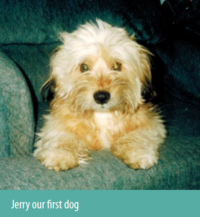
Our first dog, Jerry
The first dog we took under the Speaking of Dogs banner in 2001 was from Toronto Animal Services East. Jerry was a young Wheaten Terrier mix who had some salivary gland problems. He came to us via a call from James McLean, an old friend from Lorraine’s Toronto Humane Society days, who was working at TAS as a vet tech and still does. Jerry was treated and became our first official adopted dog under the Speaking of Dogs “Rescue” banner. Jerry lived to be almost 14 years old and never had an issue with his salivary glands again. The focus on the rescue part of Speaking of Dogs became greater as the years went by. In 2016, Speaking of Dogs Rescue became a registered charity.
Over the last 25 years, we’ve been able to help thousands of dogs find a new lease on life. We been privileged to work with incredibly dedicated veterinarians and shelter staff. And we’ve been blessed with extraordinary, talented and committed volunteers and supporters who have served our mission proudly and generously.
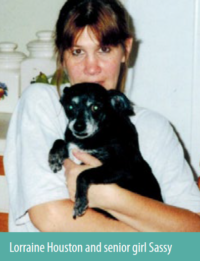
Founder Lorraine Houston with senior girl Sassy
Technology has had a huge impact on our lives in every way, especially in the last decade, and most certainly has brought the plight of homeless dogs to the forefront. Before social media, it was exciting just to have a website and even more exciting if you were on Petfinder.com. Now, with just one post, we can reach thousands of people almost instantly. We can tell them about a dog who needs a home, a dog who needs an operation or a dog who has recently joined our rescue.
Sadly, the advent of COVID-19 has resulted in more dogs needing assistance and rescue than ever before. Due to this and other factors, our rescue has adapted by finding different ways to help owners and their dogs, as well as other rescue-related groups.
To celebrate our quarter century, we’ve created a few slideshows for your enjoyment. This month we’re reminiscing about the many dogs we’ve helped over the years. Thank you to Stewart Houston for compiling this lovely reminder of why we do what we do. It doesn’t contain all the dogs we’ve ever helped, but does capture a ton of grateful little faces. Watch the video
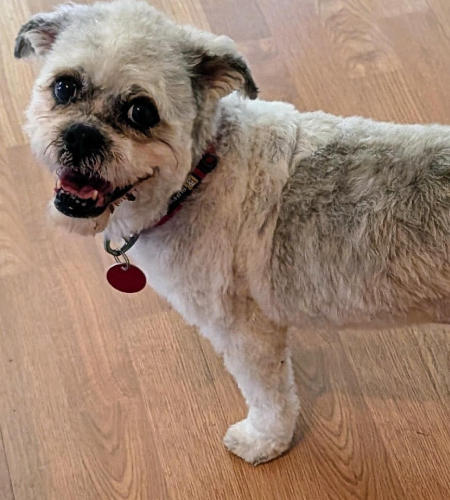
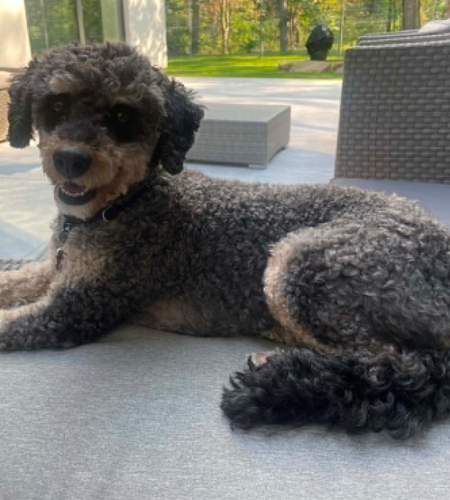
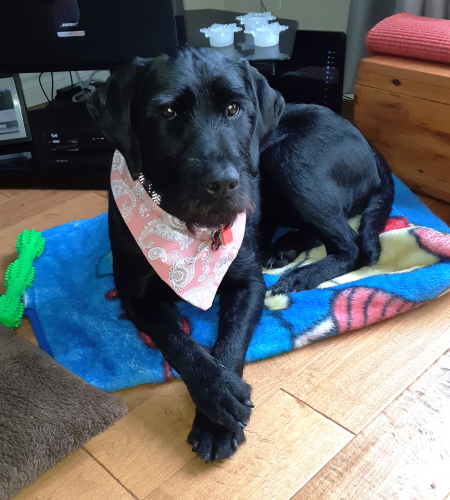
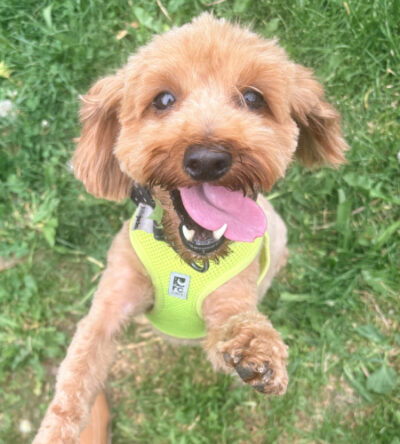
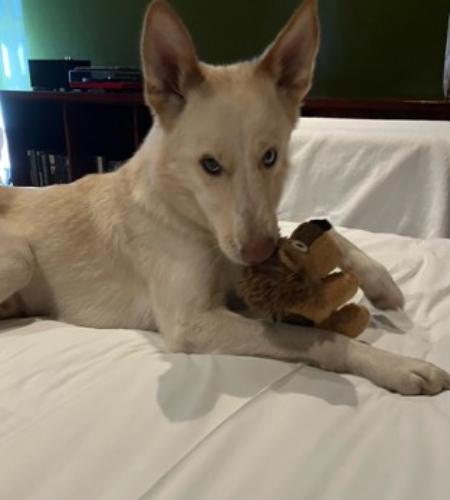
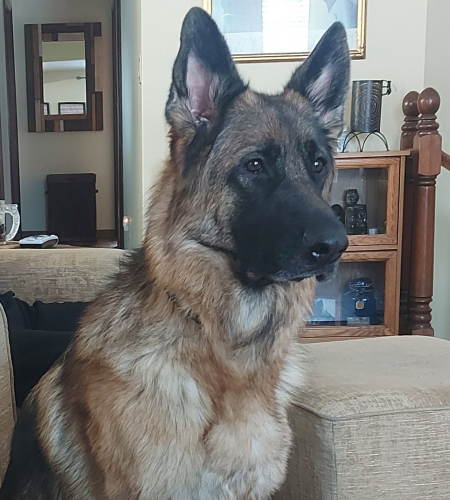
Happy tails (recent adoptions)
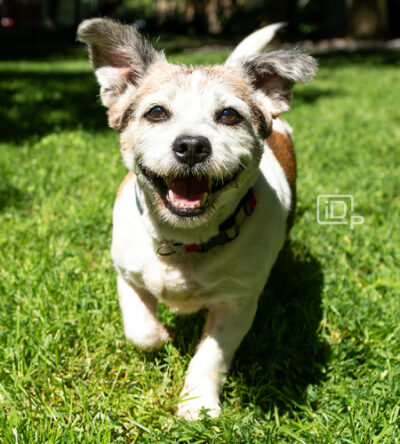
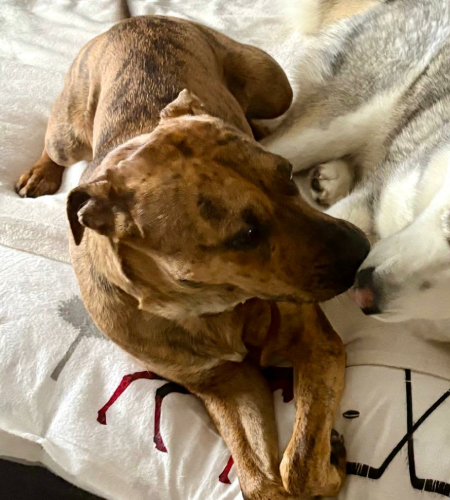
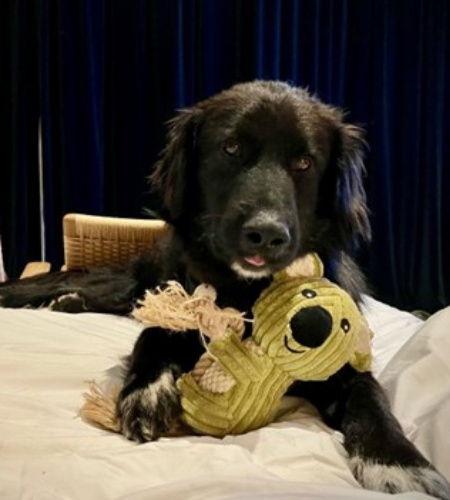
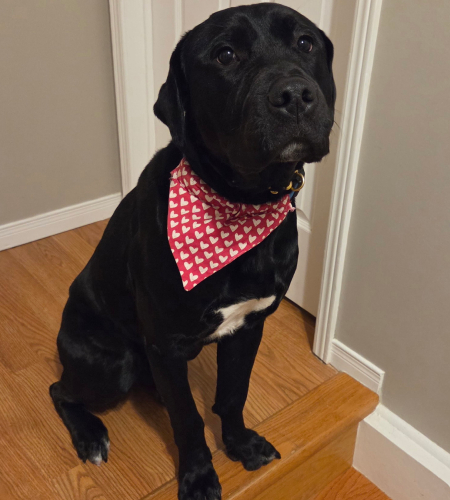
Cody
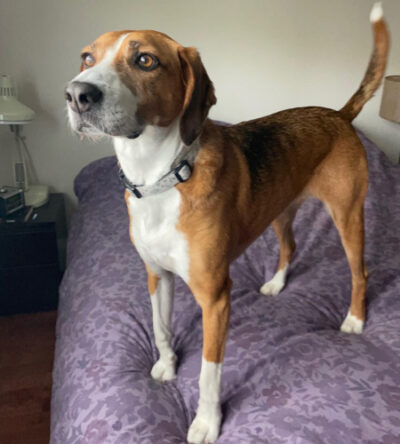
Coco

Hazel
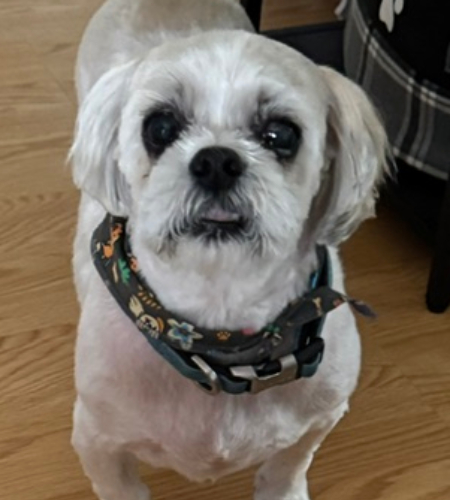
Hilda
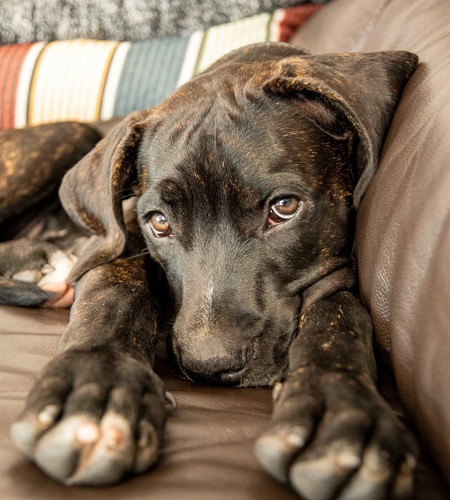
India
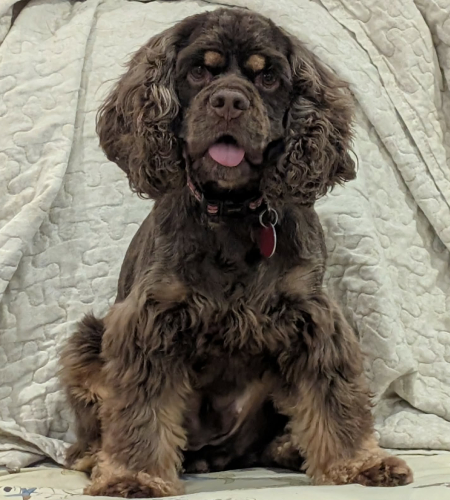
Millie
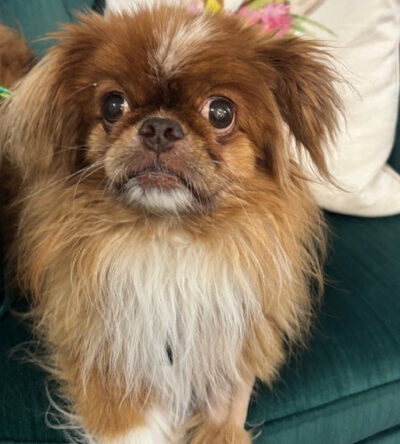
Milo

Rusty

Sienna
Adoption update
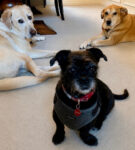
Dear Speaking of Dogs Rescue,
Portia has been a wonderful addition to the family. She has fit right in and is even tolerated by my daughter’s cats when we all gather at the cottage. She has trimmed down to a healthy weight and enjoys walks and even swimming. Portia can be a bit barky at other dogs when out in the world. And no one is getting near the house without her letting us know. But it’s nothing we can’t handle and we are working on it. She is very sweet and we are all very attached to her.
Portia did manage to get skunked in our backyard during a family birthday dinner recently! She has another bath coming her way soon to try to rid her finally of that smell.
Cooper is still with us as well. Slowing down a bit but such a sweetie. I’ve included a picture of the three amigos.
Sincerely,
Beth Wanlin

Want to help our dogs?
Consider making a donation from our Amazon wish list of priority dog supplies.

In memoriam

Beau
Forever in Foster
Loved by Lisa B and Michael F

Hubert (Hughie)
Adopted February 2023
Loved by Sue Skinner
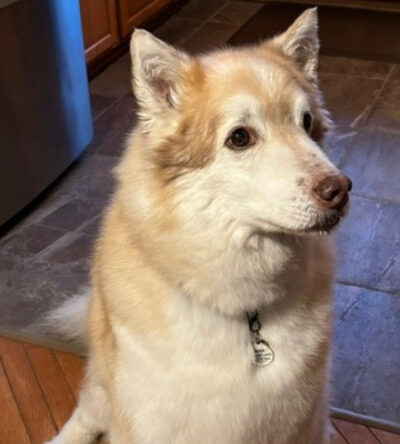
Niko
Adopted December 2024
Loved by Steven and Mary-Jo Solarik
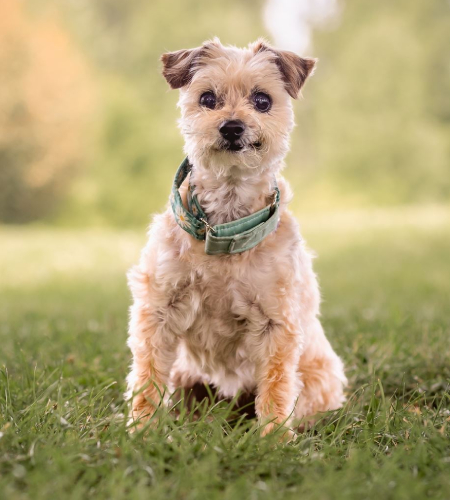
Pigeon
Adopted August 2020
Loved by Emily Ratsep
About Speaking of Dogs
Speaking of Dogs Rescue Program is a Canadian registered charity established in the Greater Toronto area with foster homes across Ontario. Launched in 2001, we are a foster-based, all breed rescue with a focus on senior dogs. We are run solely by volunteers with a mission to help homeless dogs in need by providing shelter or sanctuary, necessary medical care, adoption and education.
Newsletter team
Contributors: Lorraine Houston, Kim Gladding and Teddy Green
Editor and Design: Michelle Colasuonno
Contact
P.O. Box 8058
RPO Hurontario
Collingwood, ON L9Y 0H1
705-444-SODR (7637)
speakingofdogs@gmail.com
speakingofdogs.com
Newsletters
If you no longer want to receive our newsletter, email news@speakingofdogs.com with “unsubscribe” written in the subject line.