

Ask the trainer
The wild next door: co-existing with coyotes in our neighbourhoods and parks
He walked toward me with his little 10‑pound Maltipoo in tow.
“Excuse me… do you think you could help my dog? He’s very reactive to other dogs.”
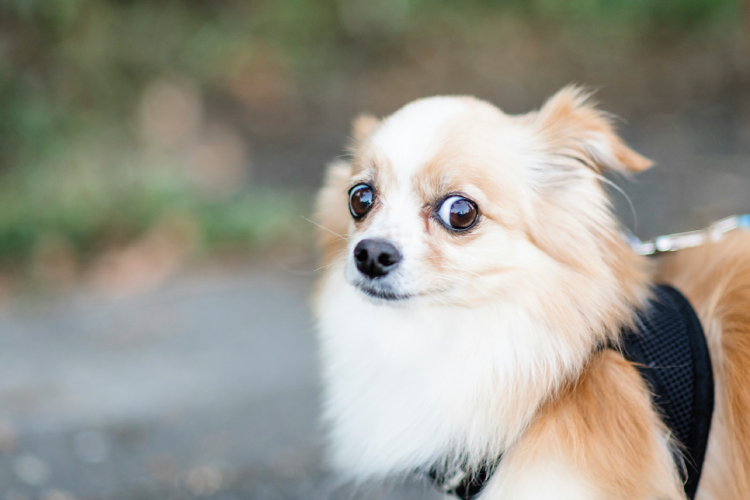
“I’d love to help. When did the reactivity start?” I asked.
“Well, it began after he was attacked by a coyote,” the man replied.
I listened in horrified silence, punctuated only by the occasional gasp, as he described a terrifying encounter that left both him and his dog traumatized — though thankfully alive and well.
My first question was whether they lived in the country. To my surprise, his answer was the opposite: they lived in a large subdivision in a busy city. That moment made me realize how little I knew about coyotes. Determined to help my new clients, I began researching how to prevent others from experiencing similar conflict with these wild neighbours.
Why are conflicts increasing?
The main reason is us. Humans have created many of the conditions that lead to encounters, conflicts and altercations with coyotes.
- Habitat loss: Every time we build a subdivision or clear a forest, we eliminate the coyote’s natural territory.
- Food sources: Poor waste management, fallen fruit and bird feeders attract small mammals that are easy meals for coyotes.
- Habituation: Over time, coyotes lose their fear of humans, drawing them closer to our homes and pets.
As human and coyote worlds collide, misunderstanding has bred fear of and hatred for coyotes. To coexist with these beautiful canids, let’s take some time to get to know them a bit better.
 The coyote
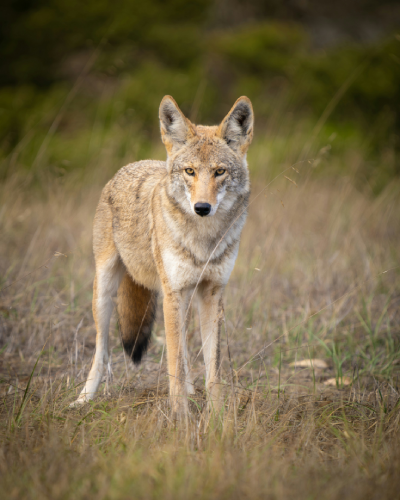 The coyote
Coyotes are indigenous to North America and are an important element of the North American ecosystem. Their main diet is rodents such as rabbits, mice and moles. By helping to control the rodent and herbivore populations, coyotes also indirectly help preserve vegetation. And they’re nature’s undertakers, eating carrion (dead animals), helping to prevent the spread of disease and returning organic matter to the soil, supporting plant life. Coyotes primarily hunt at dawn and dusk; however, they’re often seen during the day as well. As humans continue to take over their natural habitat, coyotes have learned how to survive in any climate or topography — from harsh cold to extreme heat.
Mating season
Coyotes mate for life and often form family packs with their pups. Mating season is between January and March, with pups being born usually between April and May. Between late August and early winter, the pups are almost full size and start venturing out and exploring. They are curious, fearless and lack territorial boundaries. During this period, coyotes can easily become habituated to humans and increase the likelihood of unhealthy interactions.
Habituation: the human factor
So what exactly are we humans doing that have led to coyotes becoming less fearful of us? The major issue is humans aren’t great at cleaning up after ourselves. We leave garbage lying around. We place household waste in containers or bags outside where wildlife can gain access to it. We put out bird feeders and don’t clean up the seeds that fall, attracting other animals that are the coyote’s natural prey. We plant fruit trees and when ripened fruit falls to the ground, we leave it there. And well-intentioned citizens put out food for wildlife, as if they needed our help to survive.
How has habituation increased the risk to our pets? It’s simple really. Our dogs are naturally curious, but lack wild instincts. They can venture too close to a coyote den or may chase a coyote thinking it’s play. Sometimes, a dog will run right into a den and disturb a family pack. Did the coyote lure the dog? No. The coyote is just being a coyote and any animal will try to protect themselves and their family when confronted with a threat.
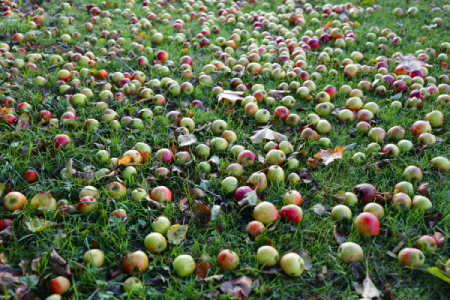
Fallen fruit can attract other animals which are the natural prey of the coyote.
Our cats and little dogs are simply too small to be seen as anything but prey to the coyote. Especially during puppy rearing season or in the dead of winter. A mother coyote trying to feed her young will go after anything she can safely catch. And a small dog or cat prancing around unsupervised is just too easy a catch to pass up.
Keeping the peace with coyotes
So what can we do to live peacefully with coyotes?
- Respect coyotes and keep our distance from them as much as possible.
- Clean up garbage and secure it to prevent wildlife from getting into it.
- Never leave food items out for wildlife and clean up any fallen fruit.
- Remove bird feeders or at least clean up the ground under them.
If you come across a coyote
- Stay at least 50 feet away.
- If the coyote is closer to you than that, stand your ground and maintain eye contact.
- Make yourself look large and make loud noises such as clapping your hands or yelling.
- Do not run! Running will trigger the chase instinct in the coyote.
- Carry something that makes noise like a small airhorn or pet corrector (compressed air in a can available at most pet stores).
- Citronella products such as Spray Shield can act as a deterrent. Stay away from inhumane options like pepper spray.
- Carry a bright flashlight. Coyotes will often steer clear of bright lights.
- Carry an umbrella. The flapping motion could frighten away the coyote and act as a shield between you and them so you can back away safely.
Keeping our pets safe
Helping our pets avoid conflict with coyotes comes down to awareness and management.
- Always monitor your pets outside, especially at dawn and dusk.
- Be aware of your surroundings when walking your dog. Look for evidence of coyotes such as coyote scat (poop) or footprints, which look like a dog’s, but will be single file because coyotes walk in their previous footsteps.
- From April until early winter, keep dogs leashed to prevent interference with wildlife. A dog approaching a coyote den is likely to be met with angry coyote family members.
- Dress your dog in a coyote vest to help prevent any serious injuries from bites.
- Keep cats indoors or build enclosed outdoor areas for cats using strong materials. Note a determined coyote can break through chicken wire.
Final thoughts
It’s important to remember that coyotes are not the villains of this story. They are survivors. They use their intelligence and resiliency to overcome adversity to ensure their species continues to exist. They play a vital role in our ecosystems. We humans need to respect their space, clean up after ourselves and protect our pets with simple precautions. Stop trying to feed coyotes and other wildlife, so that they can keep a healthy level of fear of humans. Take the time to learn about coyotes and enjoy seeing them from afar. The more we understand these resilient canids, the better equipped we are to live alongside them in harmony.
To learn more about coyotes, visit:
Coyote Watch Canada
Project Coyote

Written by
Karen Baxter, CDBC, Dipl.CBST, L-CCC, CPDT-KA, FDM
Certified Behaviour Consultant and Trainer
Member of the International Association of Animal Behavior Consultants
Owner of Unified K9 Behaviour Centre

Reader’s Choice Awards

We’d be so grateful if you could please give us a vote for the Readers’ Choice Awards hosted by the Toronto Star. It would mean a lot for our volunteer team, especially given this is our 25th year anniversary. Vote for Speaking of Dogs Rescue
One of our amazing vets, Cedarbrae Veterinary Clinic, has also been nominated. Please feel free to vote for them as well.
Vote for Cedarbrae Veterinary Clinic
Dogs looking for homes
Without a doubt, a dog is a real friend. Our dogs come in all shapes and sizes and they all have one thing in common — they all need loving forever homes.
Open your heart and home to a rescue dog. You’ll be glad you did.
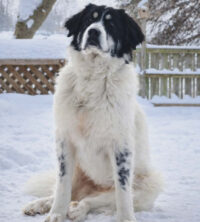
Meet January’s featured dog – Sadie
 Loyal and gentle
Sadie is a beautiful two-year-old Great Pyrenees mix weighing about 75 pounds. She came to rescue from a GTA shelter and has proven herself to be a truly wonderful dog.
Sadie is spayed, up to date on all vaccinations, housetrained and crate trained. She is friendly with new people, does well with other dogs and has shown no signs of aggression or resource guarding. While her experience with cats and children is unknown, her gentle, friendly nature suggests she would likely do well with proper introductions.
Sadie has basic training, knows how to sit and walks fairly well on leash but could use some continued practice. She is moderately active and would enjoy a home that can provide regular exercise and companionship. After a successful surgery to correct her entropic eyes, Sadie is now pain-free and navigating the world with a new lease on life.
Everyone who meets Sadie — including multiple veterinary clinics, kennel staff and fellow rescue partners — comments on what a sweet, deserving dog she is. Sadie is a lovely, well-rounded girl who is ready for a second chance and a forever home of her own.

If you’re looking for a well-rounded, friendly girl with lots of love to give, Sadie is the dog for you!
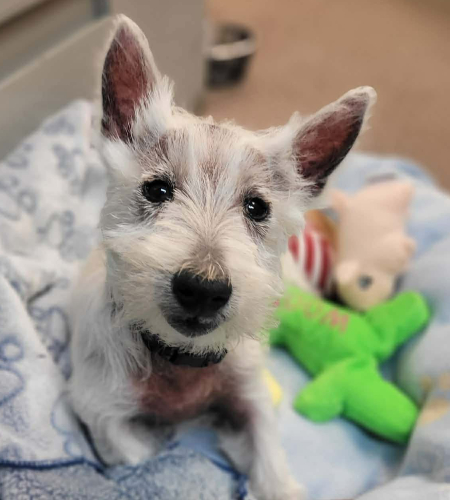
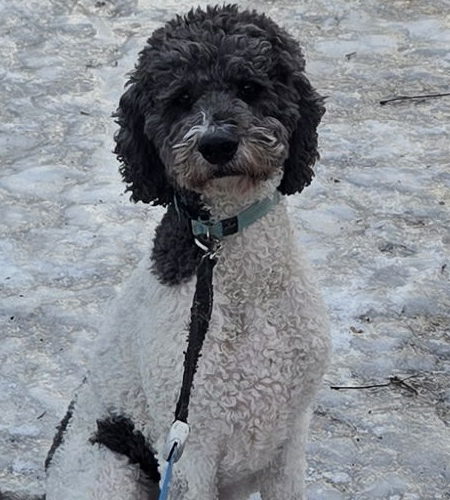
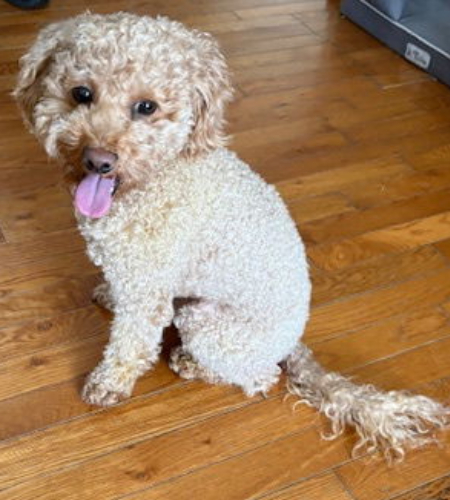






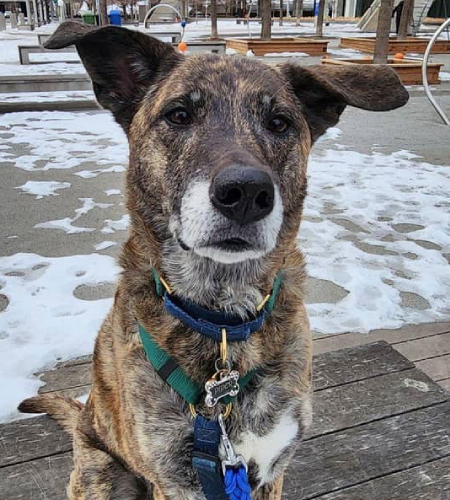
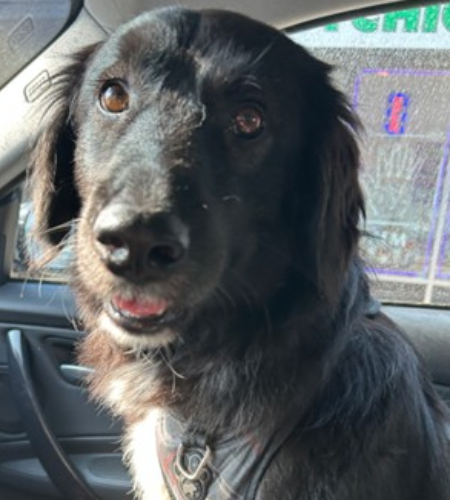
Happy tails (recent adoptions)
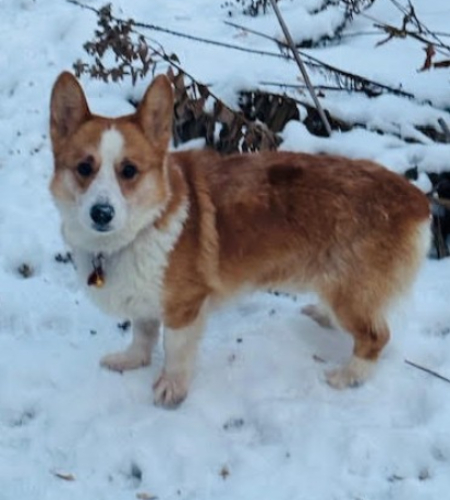


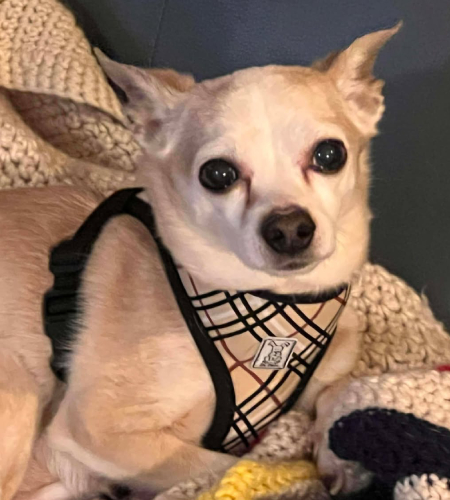

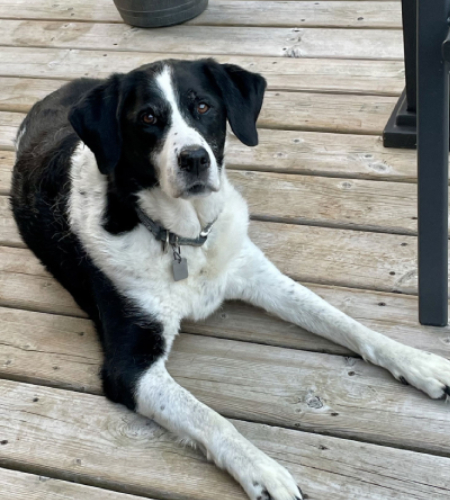








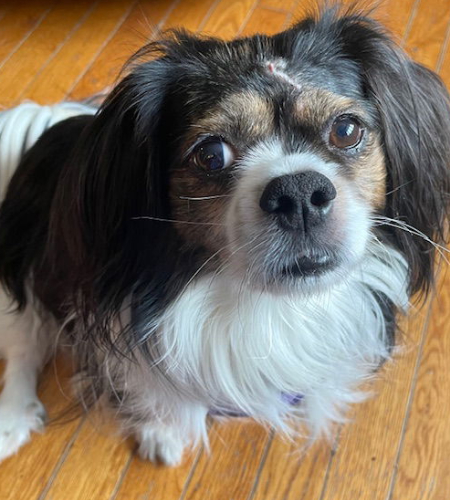
Adoption update
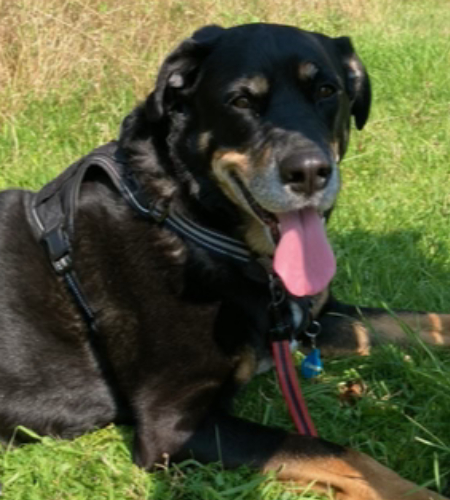 |
|---|
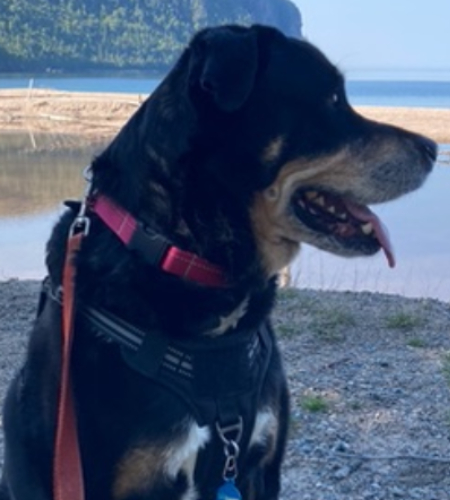 |
Dear Speaking of Dogs Rescue,
Maya is a delight! It took her a while to decompress after she joined our house, but now just over a year later, she is doing really well. She is very gentle; you pretty much have to place treats into her mouth.
She just loves her family, including a 3-pound neurotic terrier girl, Teta. Maya is incredibly patient and sensible with the little dog who can be very bossy at times. If Teta crosses a line, Maya gives her “a look” to cut it out and Teta listens. We consider Maya a unicorn, truly one of a kind and we love her very much. She is somewhat reserved and likes her space and naps. But every so often she romps like a puppy, and she loves her plush toys!
Her safe place is in the closet under the hanging clothes but she also loves her bed and regularly snuggles in ours. She is incredibly polite and seems to have a sense of what is expected. She does not like the outside much. As soon as we walk far enough that she can’t see the house, she gets nervous and wants to go back. Even in the summer when the door was open and we were all sitting outside in the backyard, she still preferred being in the house. But we did have success taking her on a two-week road trip. She was initially stressed but then relaxed and seem to enjoy visiting new places and meeting new people.
We couldn’t be happier. We tell Maya every day what a gift she is to us. We hope she will live many more years. We suspect she is younger than initially estimated, as once her health improved and she became comfortable in our house, she started to behave like a younger dog.
We really appreciate the work you do. Maya was almost euthanized as per her records and we are so grateful your rescue gave her a chance!
Sincerely,
Paula Tookey
Dental Health Awareness Month

Did you know that February is Dental Health Awareness Month for our pets?
From brushing your dog’s teeth to giving your dog dental chews and water or food additives, there’s lots you can do to help keep your dog’s mouth healthy year-round.
Remember, it’s not a one-size-fits-all approach.
Talk to your vet to learn more.

Want to help our dogs?
Consider making a donation from our Amazon wish list of priority dog supplies.

In memoriam
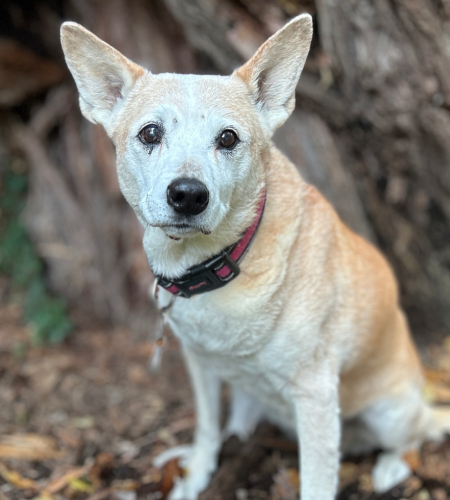
Lady
Forever in Foster
Loved by Uta and all at Speaking of Dogs Rescue
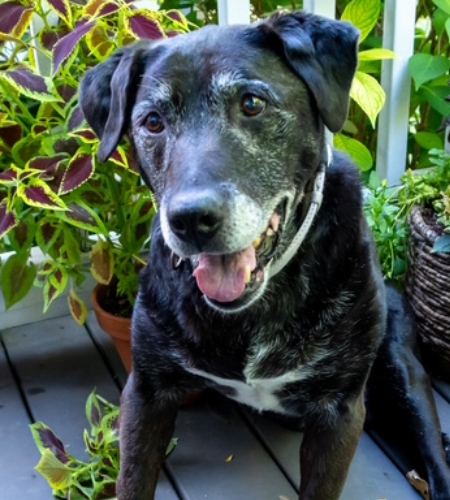
Belle
Adopted 2020
Loved by Jennifer Osborne and family

Ollie
Adopted 2010
Loved by Madhvi and the Chona family
About Speaking of Dogs
Speaking of Dogs Rescue Program is a Canadian registered charity established in the Greater Toronto area with foster homes across Ontario. Launched in 2001, we are a foster-based, all breed rescue with a focus on senior dogs. We are run solely by volunteers with a mission to help homeless dogs in need by providing shelter or sanctuary, necessary medical care, adoption and education.
Newsletter team
Contributors: Lorraine Houston, Kim Gladding, Suzanne Fleet and Karen Baxter
Editor and Design: Michelle Colasuonno
Contact
P.O. Box 8058
RPO Hurontario
Collingwood, ON L9Y 0H1
705-444-SODR (7637)
speakingofdogs@gmail.com
speakingofdogs.com
Newsletters
If you no longer want to receive our newsletter, email speakingofdogs@gmail.com with “unsubscribe” written in the subject line.