

The official Speaking of Dogs Monthly Newsletter

Ask the Trainer
“Taking Candy from a Stranger?“
Owners of fearful dogs will frequently ask strangers to offer treats to their dog, in order to get the dog “used to” strangers. But consider what this looks like from the dog’s point of view. The stranger’s hand is like a mouse trap with a bit of cheese in it. The dog is terrified of the person (the trap)… and yet she so badly wants that treat! It’s so hard to walk away, yet approaching to take the treat could mean walking into a trap that she can’t escape from. What a bind!
For a fearful dog, receiving treats from a stranger’s hand can create big and conflicting feelings. This is often exacerbated by well-intentioned strangers who accidentally add pressure to an already tense situation by staring at, reaching toward or patting the dog once they approach.
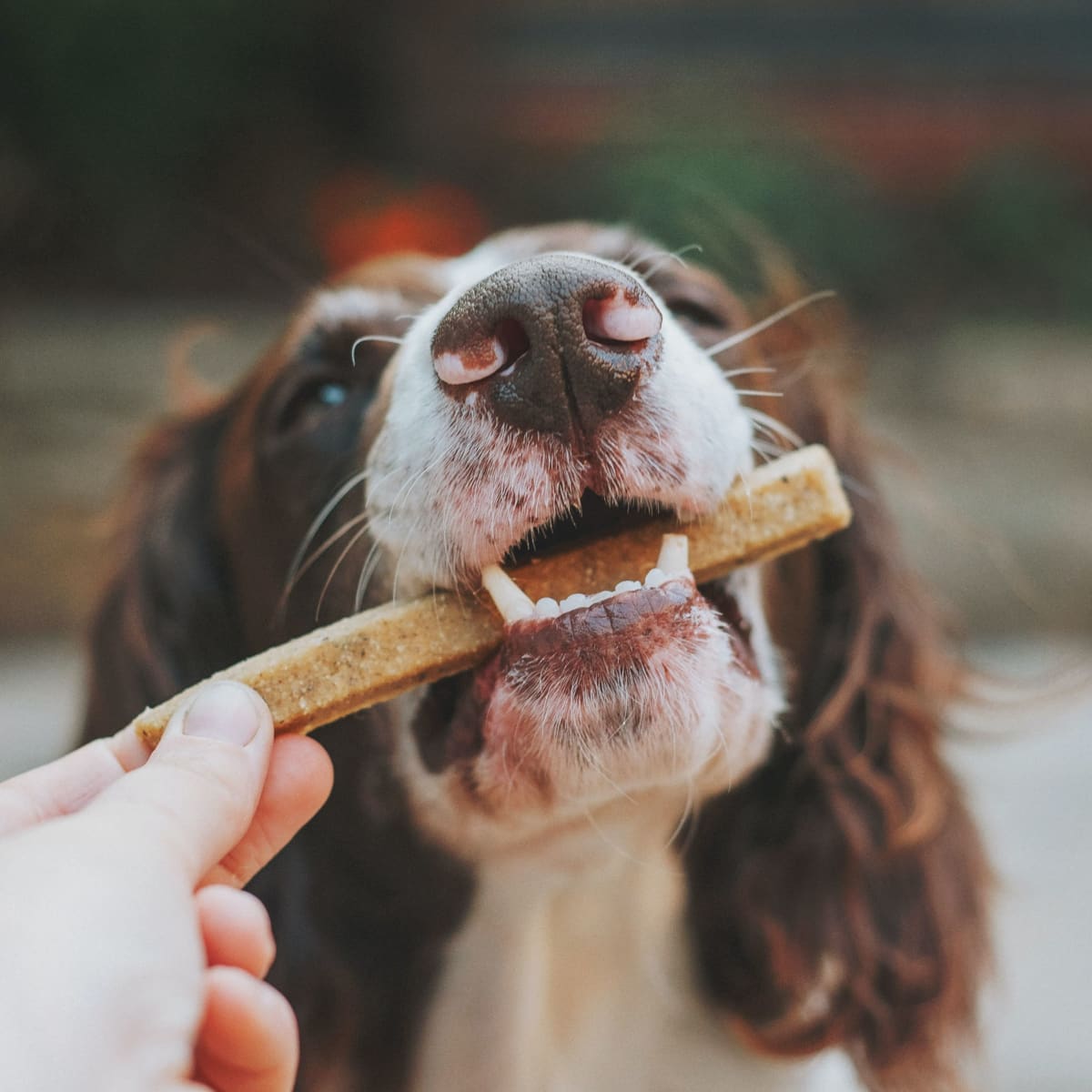 These attempts at friendship make sense to us as primates (reaching hands, grinning, eye contact), but are perceived as aggressive from our fearful dog’s canine point-of-view (reaching over, baring teeth, hard stare). Most dogs are very tolerant of our rude primate tendencies, but fearful or reactive dogs tend to lack that trust in strangers.
While it is true that some dogs can be quickly “won over” with a few treats, even they will benefit from a more gradual process. For a dog with persistent fear, and certainly a dog with reactive or aggressive tendencies, that approach can compound already complicated feelings about the scary stranger and the food they hold.
The following information is not a complete training plan. There are many important details that simply cannot be included in a newsletter article. If you think your dog could benefit from training such as this, reach out to a qualified positive reinforcement-based behaviour consultant who can make an informed decision about exercises that will most benefit your dog.
That said, and keeping the nuances of an individual case in mind, it can sometimes be helpful for a fearful dog to see that good things can actually come from a scary stranger. In this case, the stranger plays the role of “helper” to the owner. The dog won’t be encouraged to approach the helper to take food from their hand, and the helper needs to follow a strict set of rules to ensure that the dog doesn’t see the training set up as a trap.
Pick Your Helper Carefully
It may seem counter intuitive, but the best helper will be someone who doesn’t want to make friends with your dog! Someone who “just can’t help themselves” when it comes to cooing at or patting dogs will be a less effective helper in this situation. While they may have loving intentions, these helpers introduce a lot of extra pressure on an already stressed dog.
This session is to meet your dog’s needs, not another person’s – the goal is not to “allow” the helper to touch the dog or to “win over” the dog. The measure of success will be in the dog’s emotional shift for the better, not in how close a helper can get.
The best helper will be:
- Someone who is neutral in their posture and body language (do they tend to loom or stare? Or do they have a soft gaze and keep their weight shifted back? Do they tend to speak loudly and move suddenly, or do they tend to speak and move softly?)
- not excited to stare at, speak to, or pat your dog or make friends quickly Of a profile that is least triggering for your dog. For example, if a dog is extra afraid of men, do not start with a man as a helper.
- Is able to follow instructions well. This includes specifics such as not staring at the dog, keeping their body sideways, and being able to throw treats as described above.
- Someone who clearly understands what your goal is.
The stumbling block is that people often believe a dog’s approach for food means they are also approaching to make friends. The best way to crush their new curiosity is to pressure them for more contact.
Instead of handing treats to the dog, the helper is instead going to toss treats past the dog, so the dog walks away to eat the treat from the ground. While it sounds simple, there are some important considerations to bear in mind.
How to Toss Treats
Your helper will need to:
- Throw treats such that the treats land behind the dog. The treats will never lead the dog toward the helper. That will create a counter-productive pressure to approach and interact before the dog is comfortable enough to do so. This is a cornerstone to the success of this strategy.
- Orient their body sideways to the dog – not straight on. This is a less intimidating stance. It might even be helpful to have them sit in a chair, instead of standing.
- Throw the treats like a dart with a flick of the wrist, keeping their arm in line with their upper body. This prevents looming forward, and eliminates big arm movements that so many dogs find intimidating.
- Never point out a treat that the dog has missed – instead, the owner will point out treats that the dog can’t find. Treats that land too close to the helper can either be ignored (if the dog hasn’t noticed), or the helper can back away a few steps and the owner can point out the lost treat. The helper shouldn’t lean, point at, or retrieve the treat. (These motions look to the dog as if the helper is moving in to touch them)
- Select a treat that is heavy enough to achieve these goals. Light treats will flutter and land unpredictably, treats that stick to fingers are hard to toss without a lot of arm movement, oddly shaped treats can ricochet back to the helper, and round treats will roll under furniture. In most cases, the treat should be the same as what the owner normally has in their pouch.
- The helper will need to be briefed and given a practise run on all of this before the dog is involved in the training session. Practising without the dog present means that you can pause and work out any kinks, without the dog becoming increasingly nervous as trainer and helper learn the routine.
Watch the Subtleties of Your Dog’s Body Language
It is often difficult to see the little hints of fear that can escalate into a reaction, particularly if a dog is eating. The following body language indicates that your dog is fearful and not benefitting from the training. If you see this, it could be a good time to take a break and reassess.
- Leaning forward to take a treat and leaving back legs trailing
- Taking a treat and backing away rapidly
- Jerky or twitchy movements
- Startling as the treat is thrown, or as she looks up from eating
- Clamped base of the tail, even if the rest of the tail isn’t tucked
- Particularly slow or fast movements
Approaching for Food Is Not the Same as Approaching for Social Contact!
It is critical to understand that approaching a person for food is not the same as approaching a person for social contact. No matter how the food is delivered, getting treats from strangers can create some draw toward that scary stranger. This approach is simultaneously a part of the goal, as well as a potential hazard.
Consider the goal to be about creating curiosity about the stranger, not overtly about closing distance. Rather than assuming only the worst of the person… perhaps there’s the possibility that something good could happen! This can be the start of a big win for a dog who would otherwise avoid the person at all costs, or is ready to bark at the slightest provocation.
When working with a nervous dog, we need to strike a balance between cultivating gentle attention toward and curiosity about the “scary” stranger and disengaging from that person and, instead, seek support from the owner or environment. A dog will become increasingly attentive and drawn to a stranger who is feeding them, although tossing treats instead of giving treats by hand significantly tones down the problems associated with food coming from the stranger. To limit some of the draw toward the helper, it can be helpful to incorporate breaks within the session with food-stuffed toys, or other owner-focused exercises. It is your job to help your dog find a balance between this new curiosity, and being able to disengage.
Having a qualified, positive reinforcement-based behaviour consultant on board from the start will help you avoid or properly navigate the nuances in this training strategy. Taking the next step into making physical contact, and true social interaction, needs to be navigated carefully. How this happens will depend very much on the nature of your dog’s anxiety, any risks they may pose to a helper once they are near enough to
potentially make contact, and a careful and educated observation of your dog’s response throughout the process to determine when and if they are already for a next step.
Written by
Emily Fisher
Certified Dog Behaviour Consultant through the International Association of Animal Behavioural Consultants (IAABC), and a Certified Professional Dog Trainer through the Certification Council for Professional Dog Trainers (CCPDT).
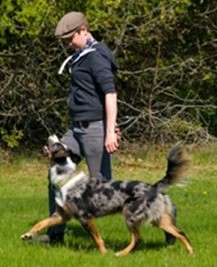
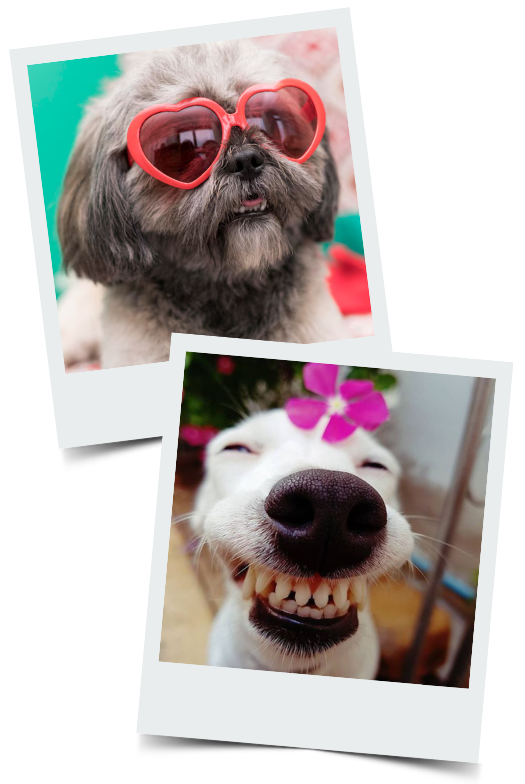
WAG FOR THE CAMERA!
Have a great photo of your furry best bud you’d like to share? We’d love to include it in the 2026 Speaking of Dogs Rescue calendar! It could be a photo of your pup having fun in the sun, chilling out a home, out on an adventure, enjoying the snow, or any other shot that warms your heart and makes you smile. Maybe an autumn photo, since we usually don’t receive enough of these.
Photos should not include people but can include a four-legged friend. There is no charge to submit, but please only send one photo per dog. Photos should be between 1 and 2 MB in size.
Please email your favourite snapshot to speakingofdogs@gmail.com before October 22nd!
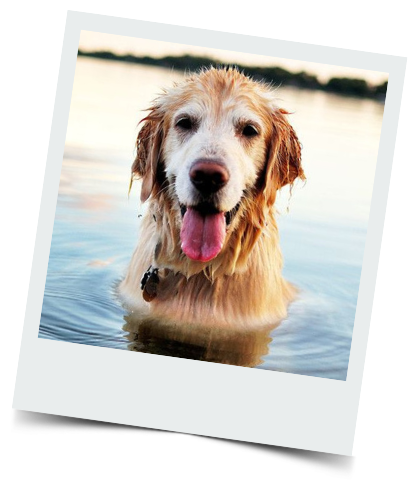
Dogs Looking for Homes
Without a doubt, a dog is a real friend. Our dogs come in all shapes and sizes, but they have one thing in common — they all need loving forever homes.
Open your heart and your home to a rescue dog. You’ll be glad you did.
For complete information about the adoption process, please visit

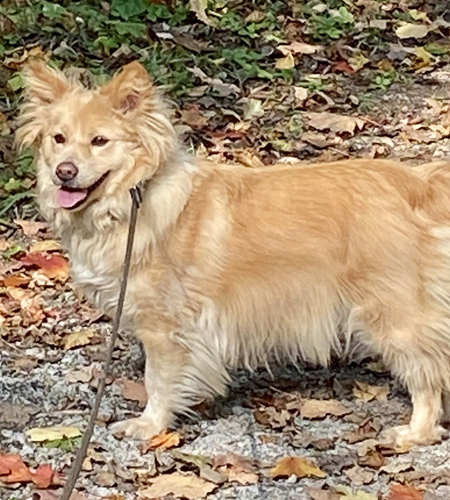
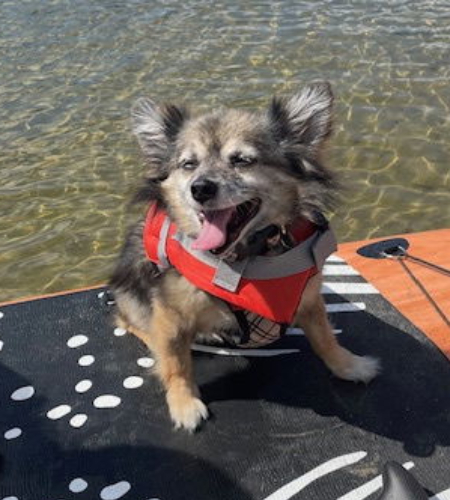
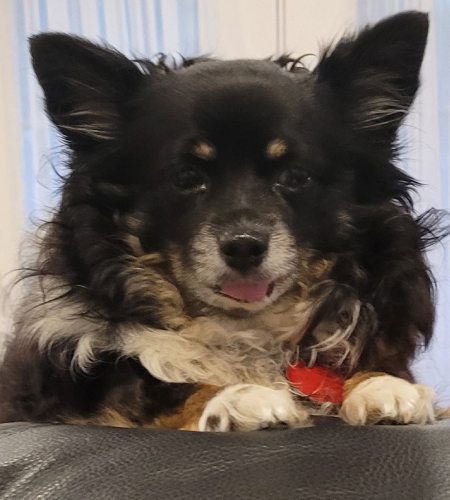
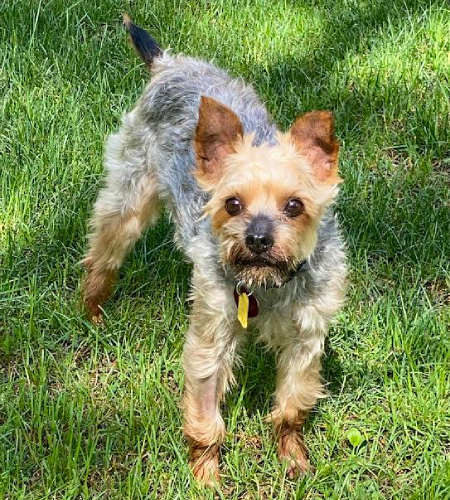
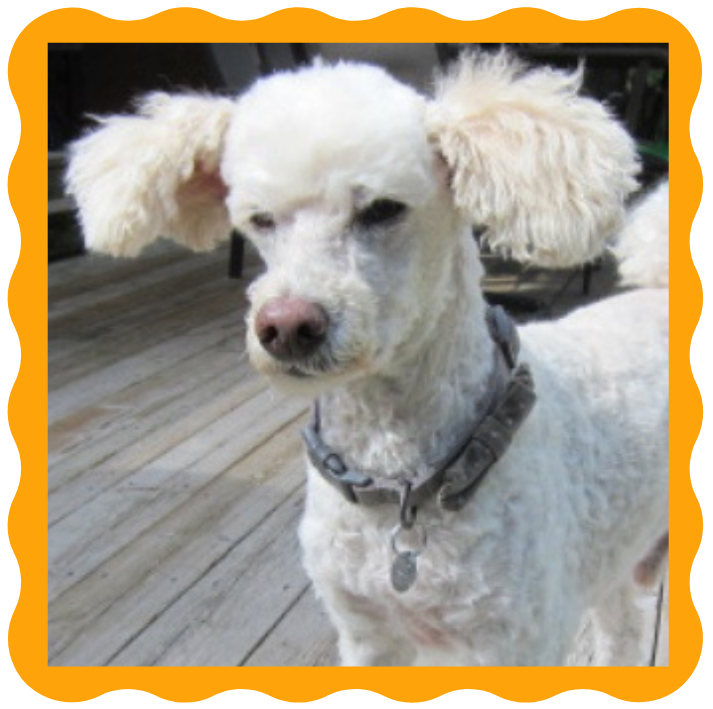 Suki is an approximately 10-year-old neutered male mini
He’s currently living with two other dogs and, while he can be a bit of a bully at first, once he’s told “no thank you” he stops. He shows no interest in playing with other dogs, but he does love hanging out in the yard with them. His reaction to cats is unknown.
He greets new people with a happy face and a wagging tail.
Suki enjoys being with people and will happily jump on a bed or couch to cuddle…just to be close.
He loves his toys, but his foster parent does not leave his toys lying around as this can trigger him to guard them from the other dogs/people. Suki is always willing to trade a toy for another toy or a treat. Any unwanted behaviour is usually resolved quickly by signaling him to stop… he is such a good boy!
He walks well on a leash and travels well in a car. He is not a barker, nor is he destructive when left alone. He is also housetrained.
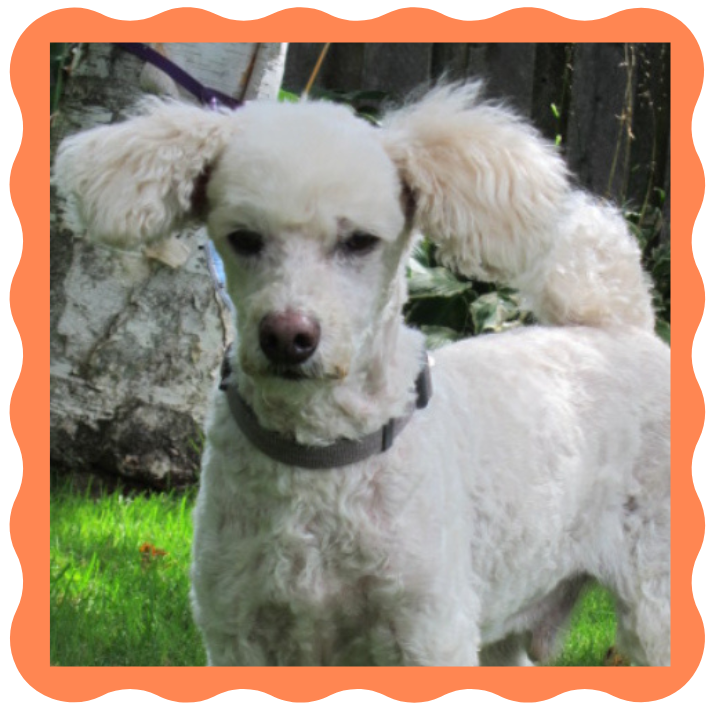 Suki is very suspicious of handling when being groomed or being checked. He doesn’t like being groomed around his eyes or feet and needs to be muzzled for this. Otherwise, he is excellent to bathe/blow-dry (muzzled).
It has taken time and patience but when he comes in from the yard, his foster mom can now slowly dry off his feet/legs (no muzzle) as he’s forming new responses to his triggers. This trust will need to be built up in any new home he goes to. Lots of positive reinforcement has and will continue to help.
Suki appears to have some hearing loss and is on special food for allergies (which can be purchased at a pet supply store).
He would do best in a home with a fenced yard, no small children and with someone who is home most of the day.
Suki is microchipped and up-to-date on all vetting. Are you the person who can give him the kind, patient, loving forever home he wants?
If you think you are the right fit for Suki, please fill out an application for our consideration.
Click here to visit our adoption application.
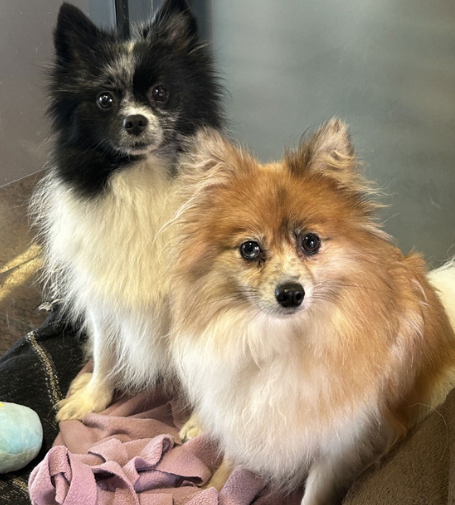
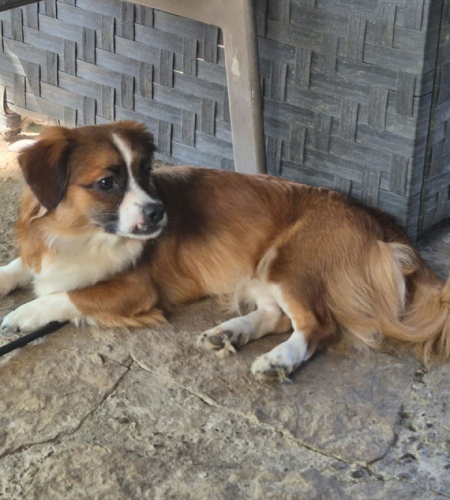



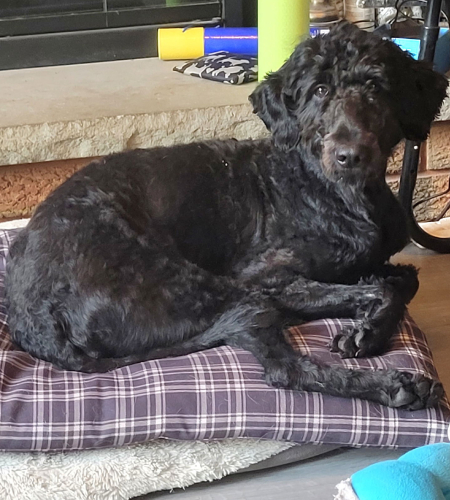
Speaking of Dogs is in search of its next Newsletter Designer & Editor Volunteer

Our wonderful newsletter designer & editor, Sarah Mandelbaum, will be departing from our rescue soon as she embarks on a new chapter in her life. For over 3 years Sarah brought colour and creativity to every issue of our newsletter.
Thank you for your hard work and dedication Sarah. Best wishes!
Are you — or someone you know — creative and crazy about dogs? Are you passionate about finding the best ways to communicate how to help our adoptable and foster dogs? Do you get excited about sharing Speaking of Dogs’ powerful stories and remarkable initiatives? Do you want to volunteer with Speaking of Dogs but can’t always contribute in person?
If so, this remote volunteer opportunity might be perfect for you!
In this role, the ideal candidate will be:
- Very comfortable using computers
- Creative and media-savvy, with the ability to create engaging graphics
- Flexible with their schedule, particularly during the last week of each month
- Able to dedicate 7–9 hours during the final 3 days of each month to prepare the upcoming newsletter
- Reliable and self-motivated
- Willing to learn how to use our WordPress-based website to design the newsletter
- Comfortable editing articles (a nice-to-have, but not required)

If this sounds like you, we would love to hear from you. If this sounds like someone you know, we would love to hear from them too, please share the word!
Please reach out to us at speakingofdogs@gmail.com
Happy Tails
a.k.a. Recent Adoptions
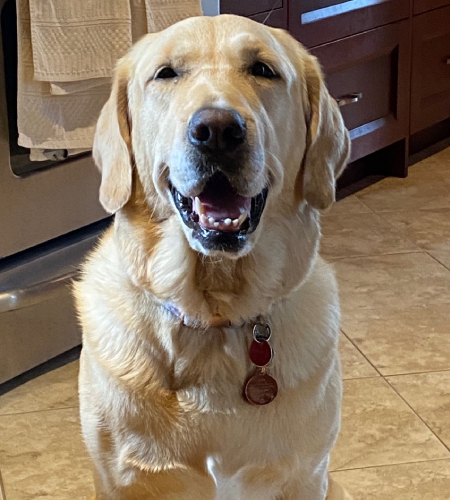
Alice
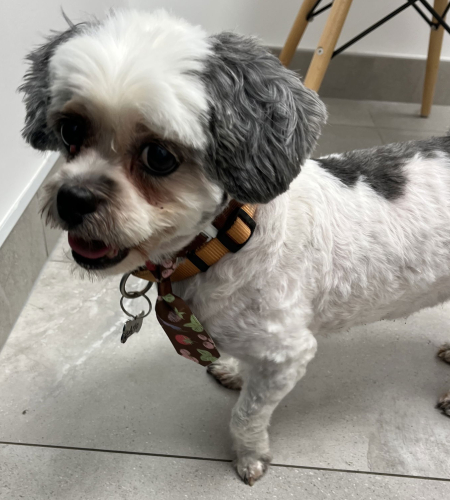
Arlo

Chewie
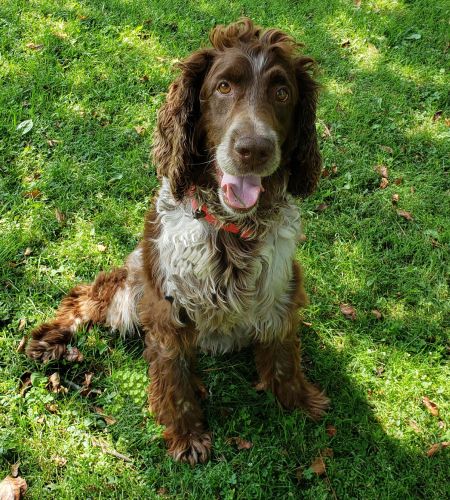
Daniel
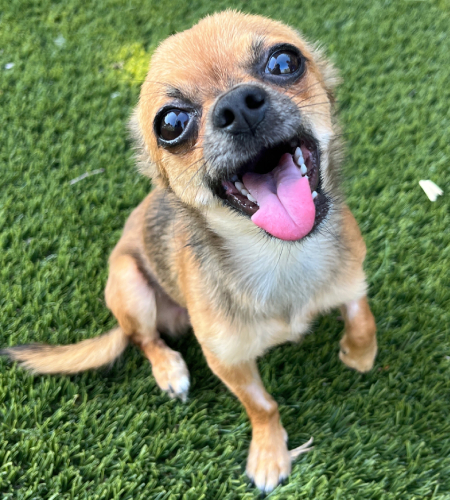
Gidget
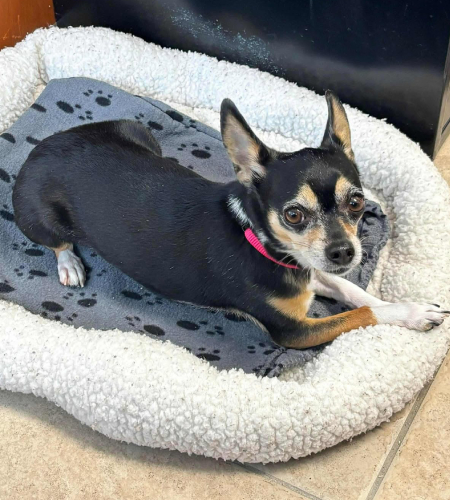
Lily
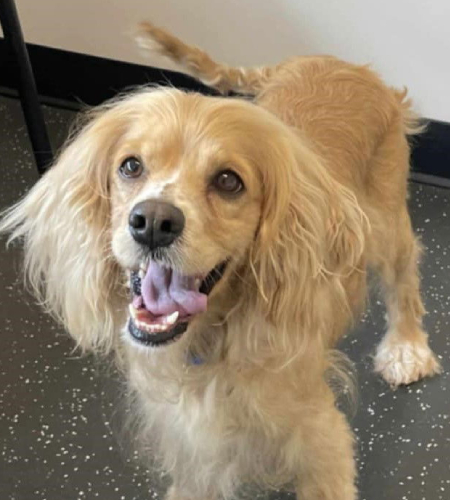
Lolly
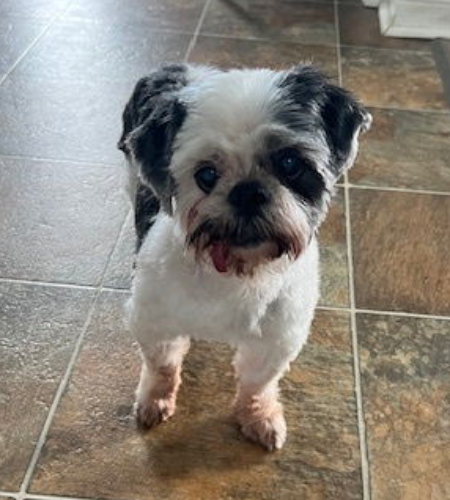
Mari
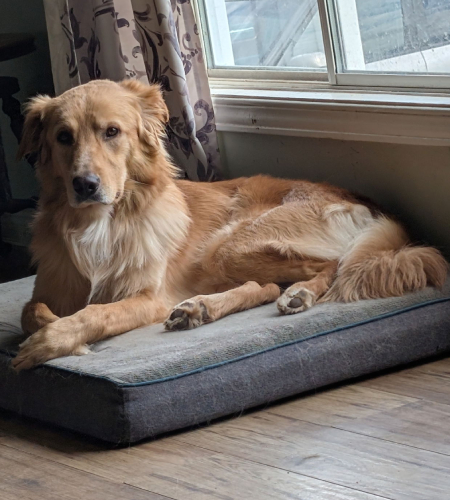
Ollie

Petal
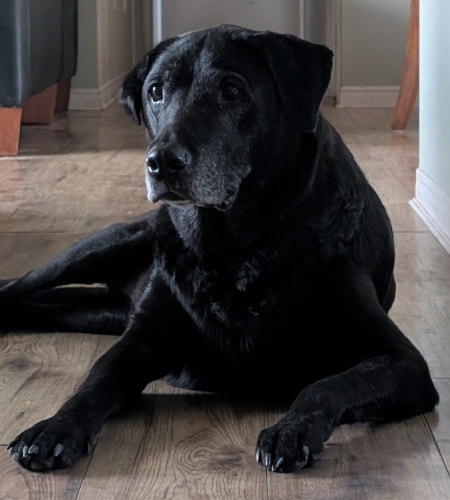
Willow

Want to help our dogs?
Consider making a donation from our Amazon wish list of priority dog supplies.

Adoption Update
 Dear Speaking of Dogs Rescue,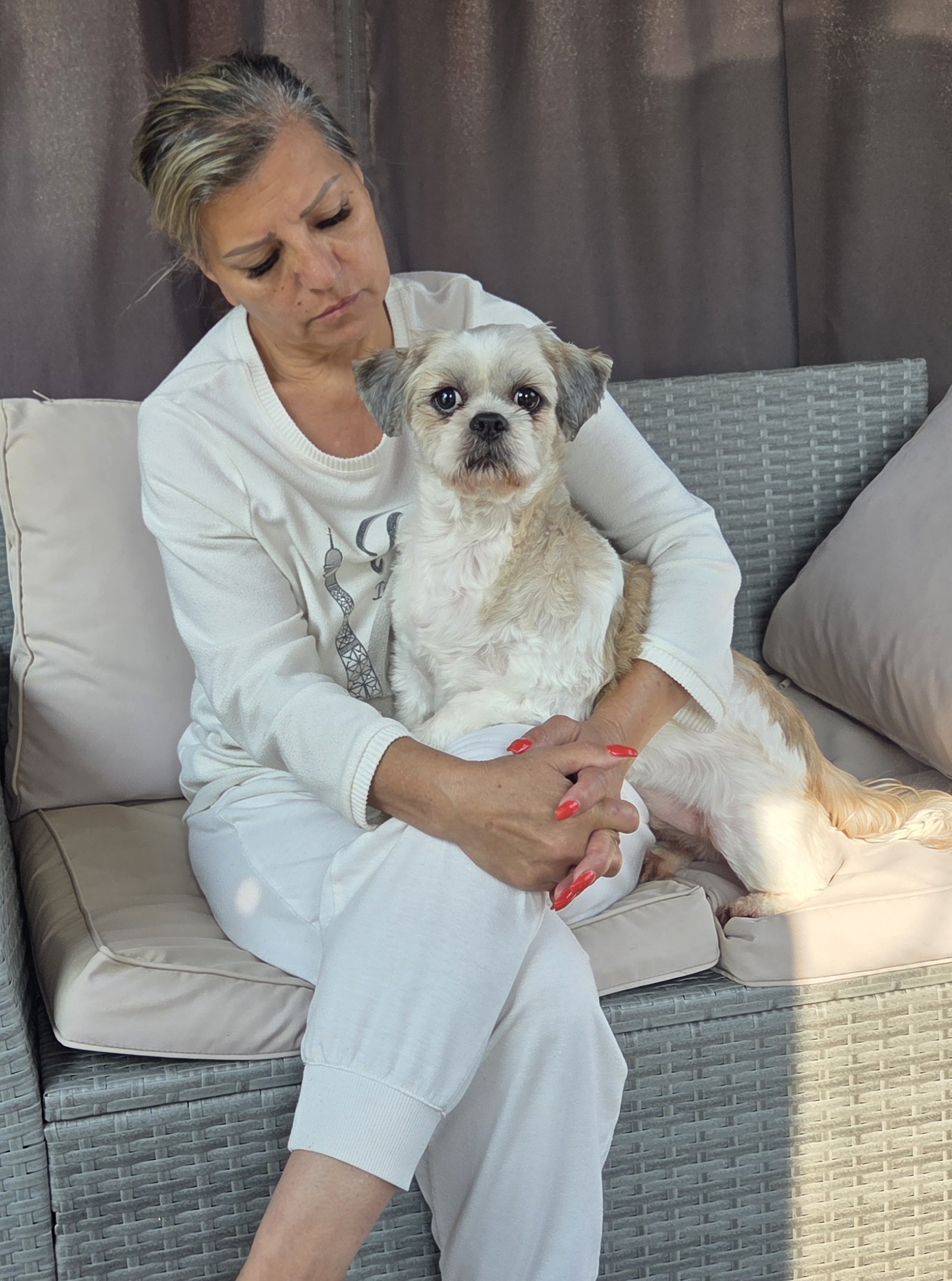
I would just like to share our buddy Diego’s status with you since we adopted him in March.
You’ll remember that he was from a puppy mill where he was kept in a barn. Initially, he was afraid of loud noises and needed time to adjust to a new life.
He has finally come around and wants to be outdoors and now owns the backyard. It took a lot of patience but he did it at his pace. Now he is attached to my wife and I and showing his great personality. He has even started to play!
I wish more families would take a chance on rescues with hardships. They are so worth it. We are very proud of him.
Thank you for what your team does.
Sincerely, 
Dogs and the City Conference – Sept 26–28, 2025 @
967 College St. or virtually

Speaking of Dogs Rescue is proud to support and sponsor the Dogs and the City Conference — Canada’s largest event focused on helping dogs and their people thrive in city life.
Why our rescue encourages fosters & adopters to attend:
Caring for foster and adopted dogs in busy urban environments can be challenging. This conference gives you the tools, knowledge, and community support to help dogs build confidence, reduce stress, and settle successfully into new homes.
Featured Speakers:
- Sept 26 10am to 5pm – Tom Candy: Supporting dogs in challenging urban environments
- Sept 27 10am to 5pm – Zazie Todd: Helping dogs thrive in the city
- Sept 28 10am to 5pm – Malena DeMartini: Separation anxiety solutions for city dogs
📍 Join in Toronto or online – all tickets include 1 year of recordings.
🎟 Early Bird Prices (until Sept 10) – Save 20% with code citydogs
- In-Person Weekend: $364 (Regular $495) | Single Day: $136 (Regular $170)
- Virtual Weekend: $236 (Regular $295) | Single Day: $84 (Regular $105)
👉 [Register Today] – https://educanine.org/2025-conference
Wiggles & Wags
a.k.a. Thank Yous & Shout-Outs

The “RALLY FOR RESCUE” Collingwood Car Rally & Scavenger Hunt in Support of
Speaking of Dogs Rescue was a Great Success!
Everyone enjoyed a great time at the car rally last month. Over $5.5K was raised for our dogs!
Thank you to everyone who participated: Liliane and her organizing committee, the Collingwood Legion Branch 63 and the Ladies Auxiliary for a delicious dinner! Wags also to our two main sponsors Loretta McGinnis from Remax Life By the Water and Justin and Kate Levy from Emergency Veterinary Hospital Collingwood. And the wags of thanks continue to the many local vendors who generously donated prizes to our raffle!




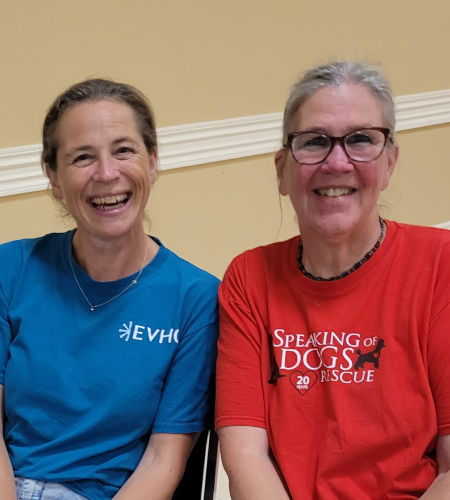




 I have always had a deep love of animals. I grew up with 3 beagles before starting my own dog owning journey. After retiring from a career in music, TV and film, I started volunteering in dog and cat rescue; doing reference checks, home visits fostering and transporting. In early 2012 I discovered Speaking of Dogs Rescue (SODR) when I adopted my dog, Cyrus from them. Shortly after that, I asked Lorraine if I could volunteer in some fashion because I was so impressed with the way the rescue is run and how protective they are of the dogs. Not all rescues are created equal and SODR is a shining example of what others should aspire to. I’ve been volunteering ever since. For the most part, I call references for people fostering or adopting. I often say to friends, this is the most important job I’ve ever had. Playing even the smallest part in helping dogs find their forever homes is definitely the most rewarding job I’ve ever had. Lorraine and gang are the best at what they do and I’m very proud to be associated with this rescue.

In Memoriam
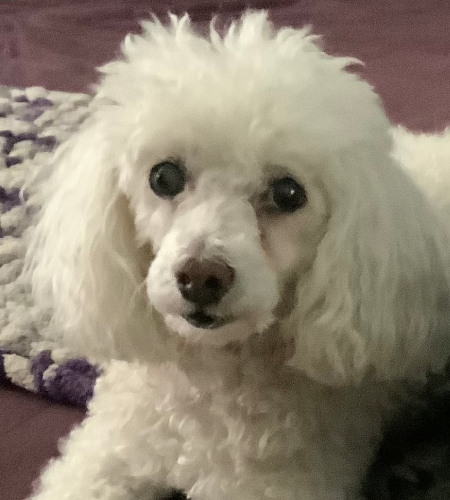
Angel
Adopted November 2022
Loved by Bernice & Sol Robins
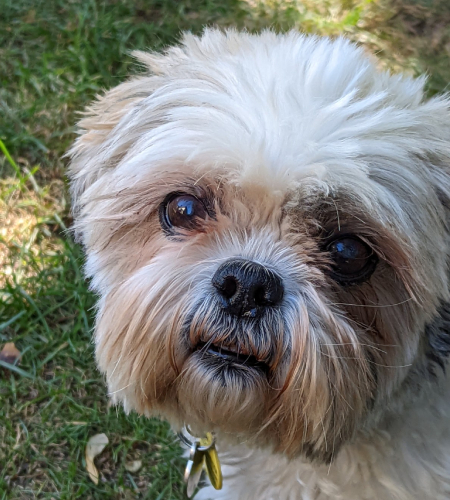
Bella
Forever in Foster
Loved by Louise M & Family
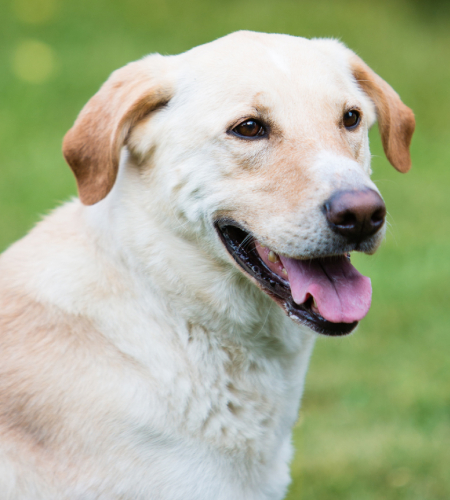
Chloe
Adopted November 2014
Loved by Kelly & Jon Temme
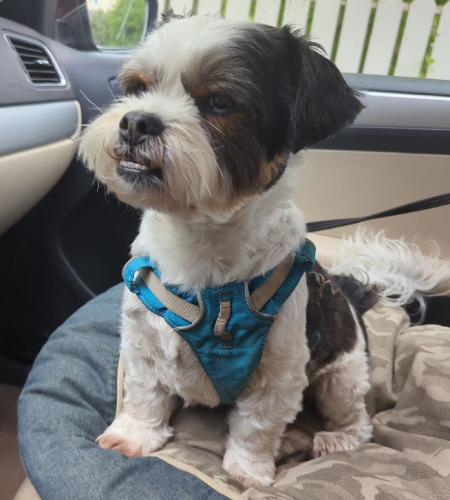
Cyrano
Forever in Foster
Loved by Tom P & Family
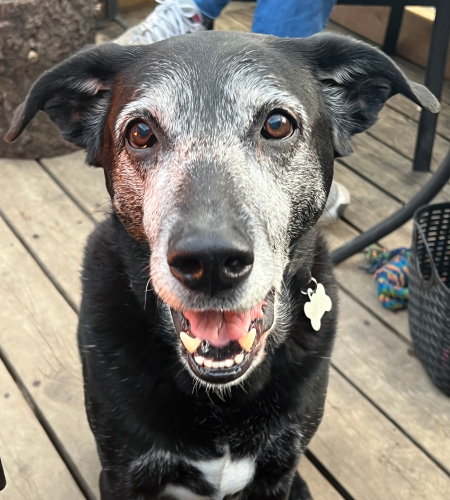
Myles
Adopted 2012
Loved by Lisa & Carter Butler
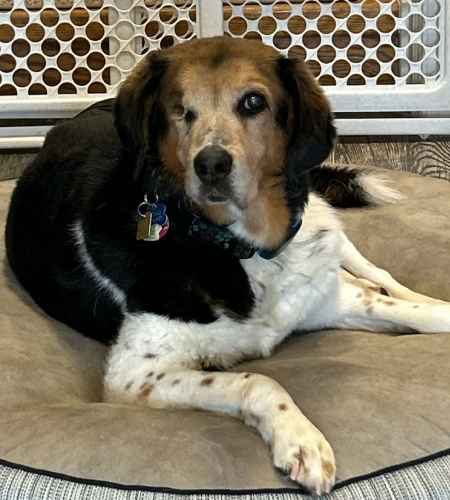
Poncho
Adopted November 2022
Loved by Janice Thompson & Family
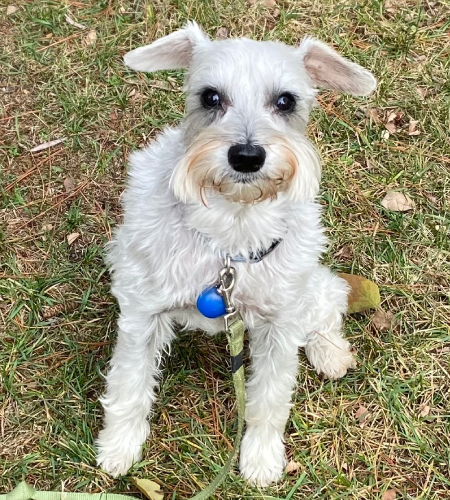
Sisi
Forever in Foster
Loved by Joan H
About Speaking of Dogs
Speaking of Dogs Rescue Program is a Canadian registered charity established in the Greater Toronto area (with foster homes across Ontario). Launched in 2001, we are a foster-based, all breed rescue with a focus on senior dogs. We are run solely by volunteers with a mission to help homeless dogs in need by providing shelter or sanctuary, necessary medical care, adoption and education.
Newsletter Team
Contributors: Kim Gladding, Linda Knowles, Lorraine Houston & Emily Fisher
Editor & Design: Sarah Mandelbaum
Contact Speaking of Dogs
P.O. Box 8058
RPO Hurontario
Collingwood, ON L9Y 0H1
705-444-SODR (7637)
speakingofdogs@gmail.com
www.speakingofdogs.com
Newsletters
If you no longer want to receive our newsletter, email speakingofdogs@gmail.com, with “unsubscribe” written in the subject line.